
The Ultimate Guide to Towing Equipment Safety
Your Essential Guide to Towing Equipment Safety: Smart Practices and Florida Rules for Homestead Drivers
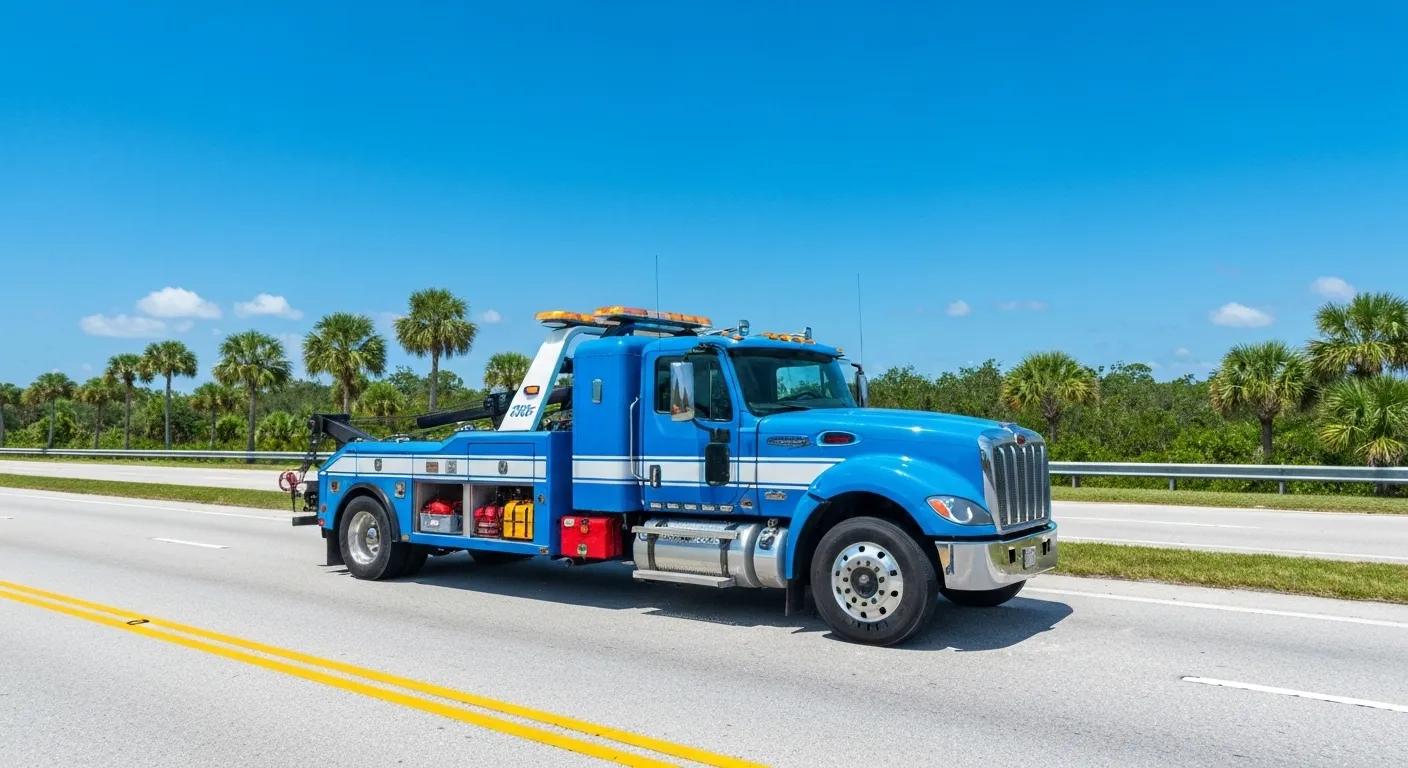
Every towing job relies on dependable gear and sharp awareness to steer clear of trouble and damage on Homestead’s streets. Using the right towing equipment not only keeps your load stable but also protects you and everyone else on the road. This guide covers the must-have towing gear, thorough inspection routines, smart driving tips, heavy-duty recovery tactics, Florida and Homestead’s specific rules, and how to be ready for anything. By following these proven methods—the same ones Towing Homestead’s 24/7 rapid-response team trusts—you’ll tow with confidence and safety, every single time.
What Gear is Key for Safe Towing?
Safe towing in Homestead, FL starts with knowing exactly what each piece of equipment does to keep your load secure and your vehicle in control. A complete towing setup brings together connection devices, load-securing tools, braking systems, and protective gear to ensure stability and compliance from the hitch all the way to the taillights.
What Towing Equipment is Absolutely Essential for Safety?
These items are the backbone of any safe tow:
- Hitch and Coupler – A receiver hitch with the right rating and a locking coupler will prevent separation when you’re hauling.
- Safety Chains – Crossed chains beneath the coupler will catch the trailer tongue if the hitch connection fails.
- Tow Straps and Tie-Downs – Heavy-duty straps, rated for your tongue weight, will keep your cargo from shifting around.
- Brake Controller – An electric brake controller syncs your trailer’s brakes with your tow vehicle’s brake pedal.
- Wheel Chocks – Chocks keep a parked trailer from rolling while you’re hooking up or loading.
- Breakaway Cable – This automatically engages your trailer’s brakes if the trailer accidentally detaches.
- Winch and Recovery Gear – Properly rated winches, shackles, and straps are vital for safely pulling vehicles out of tricky spots.
- Lighting and Wiring Harness – A solid wiring setup ensures your turn signals, brake lights, and running lights all work as they should.
Together, these tools create multiple layers of protection, keeping both your tow vehicle and trailer secure in all sorts of road and load situations.
How Do Different Hitch Types Impact Towing Safety?
Choosing the right hitch type depends on your towing capacity, vehicle setup, and the kind of load you’re carrying:
- Receiver Hitch (Class III–V): These are versatile and work well with weight-distribution systems and sway control bars.
- Gooseneck Hitch: This design places heavy loads directly over the rear axle, offering better stability for fifth-wheel and farm trailers.
- Weight-Distributing Hitch: This system spreads the tongue weight evenly across all axles, which helps reduce sway, especially on winding roads.
- Pintle Hitch: Known for its ruggedness, it’s great for off-road or military trailers but needs precise coupling to avoid sway.
Matching your hitch’s rating to your tongue weight and gross trailer weight (GTW) will improve your steering and braking control, particularly on Homestead’s varied terrain.
What’s the Deal with Tires, Brakes, and Lights for Equipment Safety?
Making sure your tires, brakes, and lights are in top shape is crucial for predictable handling, reliable stopping power, and good visibility on every trip.
| Component | Primary Role | Safety Requirement |
|---|---|---|
| Tires | Support the load and keep you gripping the road | Keep them inflated to the recommended PSI; check for cracks and ensure tread depth is at least 4/32″ |
| Brakes | Control how quickly you can stop when loaded | Test your brake controller; confirm trailer brake adjustment and fluid levels |
| Lights | Signal your intentions to other drivers | Replace any burnt-out bulbs; secure wiring connections and test all signals |
Keeping these parts in good working order helps prevent blowouts, brake fade, and nighttime accidents, setting you up for dependable towing on Florida’s highways.
Why is Personal Protective Equipment (PPE) a Must for Towing Operators?
Wearing the right PPE significantly cuts down the risk of injury when you’re coupling, recovering vehicles, or stopped on the roadside:
- High-Visibility Vest: Makes sure you’re easily seen, especially when it’s dark or visibility is poor.
- Steel-Toe Boots: Protect your feet from falling chains or heavy equipment.
- Gloves: Guard against cuts and scrapes when handling winch cables, chains, or sharp metal edges.
- Eye Protection: Shields your eyes from flying debris during winch operations or when adjusting hitches.
Outfitting operators with PPE shows a commitment to safe handling of heavy gear and upholds professional towing standards right here in Homestead, FL.
How Do You Do a Thorough Towing Equipment Inspection?
What Are the Step-by-Step Procedures for a Pre-Trip Inspection?
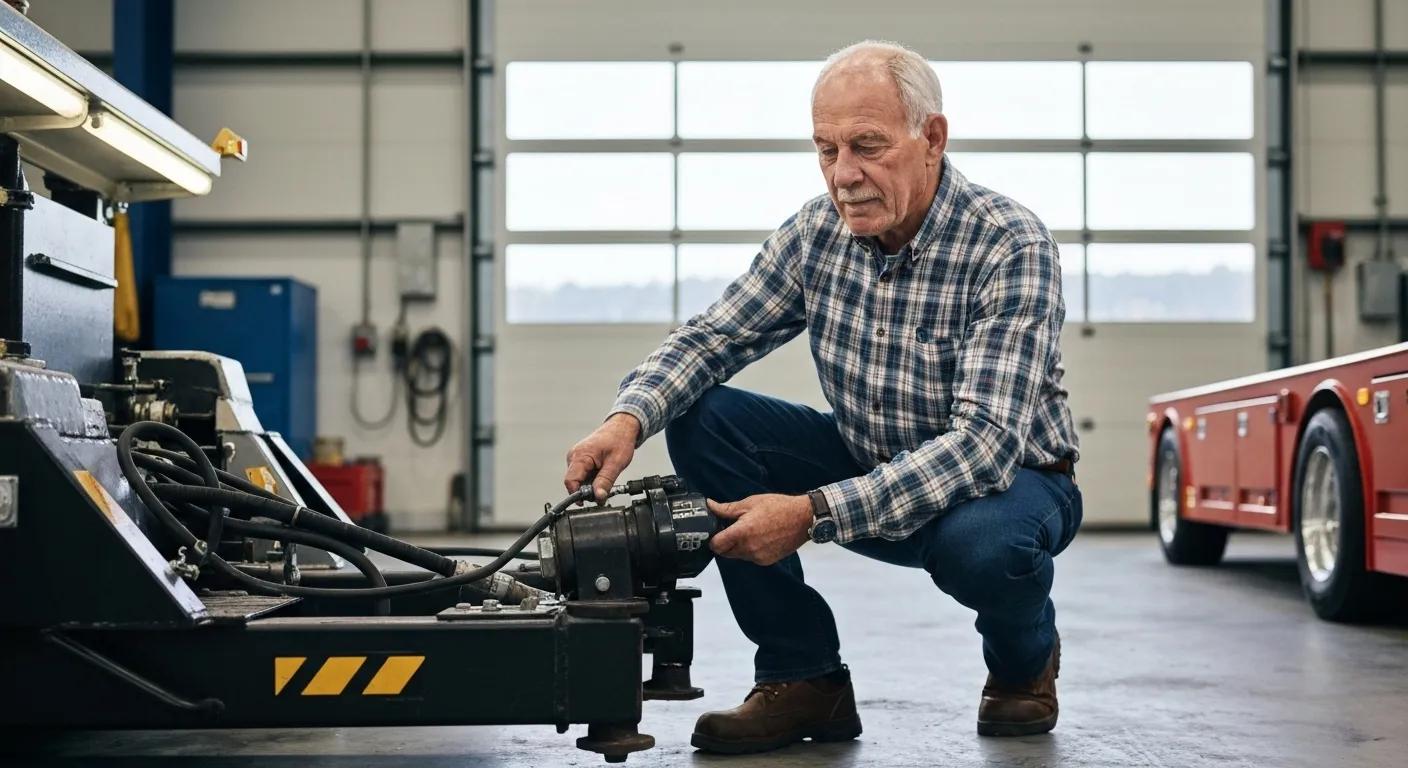
Start every trip with a complete gear check, following this order:
- Hitch and Coupler: Confirm it’s securely attached, locked, and the pin is properly inserted.
- Safety Chains and Breakaway Cable: Make sure they’re crossed correctly under the hitch and attached to the tow vehicle’s frame.
- Tires: Check the pressure on all wheels; look for any damage on the sidewalls and verify the load-rating labels are intact.
- Brakes: Activate the trailer brake controller; listen for consistent braking action and check fluid levels if they’re hydraulic brakes.
- Lights and Wiring: Test the brake lights, turn signals, running lights, and taillights to ensure they illuminate correctly and in the right sequence.
- Load Security: Tighten straps, secure your cargo with ratchets, and position wheel chocks as needed.
- Recovery Gear: Inspect the winch cable for any fraying, check anchor points, and make sure hook safety latches are functional.
Completing these checks before you leave ensures every part works together smoothly, cutting down on roadside issues and boosting your confidence on the road.
How Often Should Towing Equipment Be Inspected and Maintained?
Industry best practices recommend:
- Daily Pre-Trip Checks for commercial drivers or those who tow frequently.
- Monthly Detailed Inspections to examine less visible parts like wiring, frame mounts, and weld integrity.
- Annual Preventive Maintenance, including lubricating moving parts, servicing the brake system, and recertifying the hitch.
Sticking to these maintenance schedules helps prevent wear-related problems and aligns with the standards expected of 24/7 emergency service providers.
What Are Common Signs of Equipment Wear or Failure?
Catching degradation early can prevent major failures:
- Straps that are Cracked or Brittle, showing signs of sun damage.
- Rust or Corrosion on hitch pins, chains, and mounting hardware.
- Uneven Tire Wear, which can indicate alignment issues or overloaded axles.
- Brakes Dragging or a Spongy Pedal, suggesting fluid leaks or worn brake pads.
- Lights That Flicker or Don’t Work Consistently, often due to loose wiring or corroded connectors.
Noticing these signs during your regular checks allows for timely replacements and keeps your entire system dependable.
How Can Interactive Checklists Make Towing Safer?
Digital and printable checklists help operators:
- Keep track of completed inspection steps with timestamps.
- Take photos of any worn parts for maintenance records.
- Automatically notify supervisors when critical issues are found.
- Provide in-app guidance on how to fix problems and re-rate equipment.
By using interactive tools, companies like Towing Homestead can easily manage inspection compliance and reinforce a strong safety-first culture.
What Are the Best Safe Driving Practices When Towing?
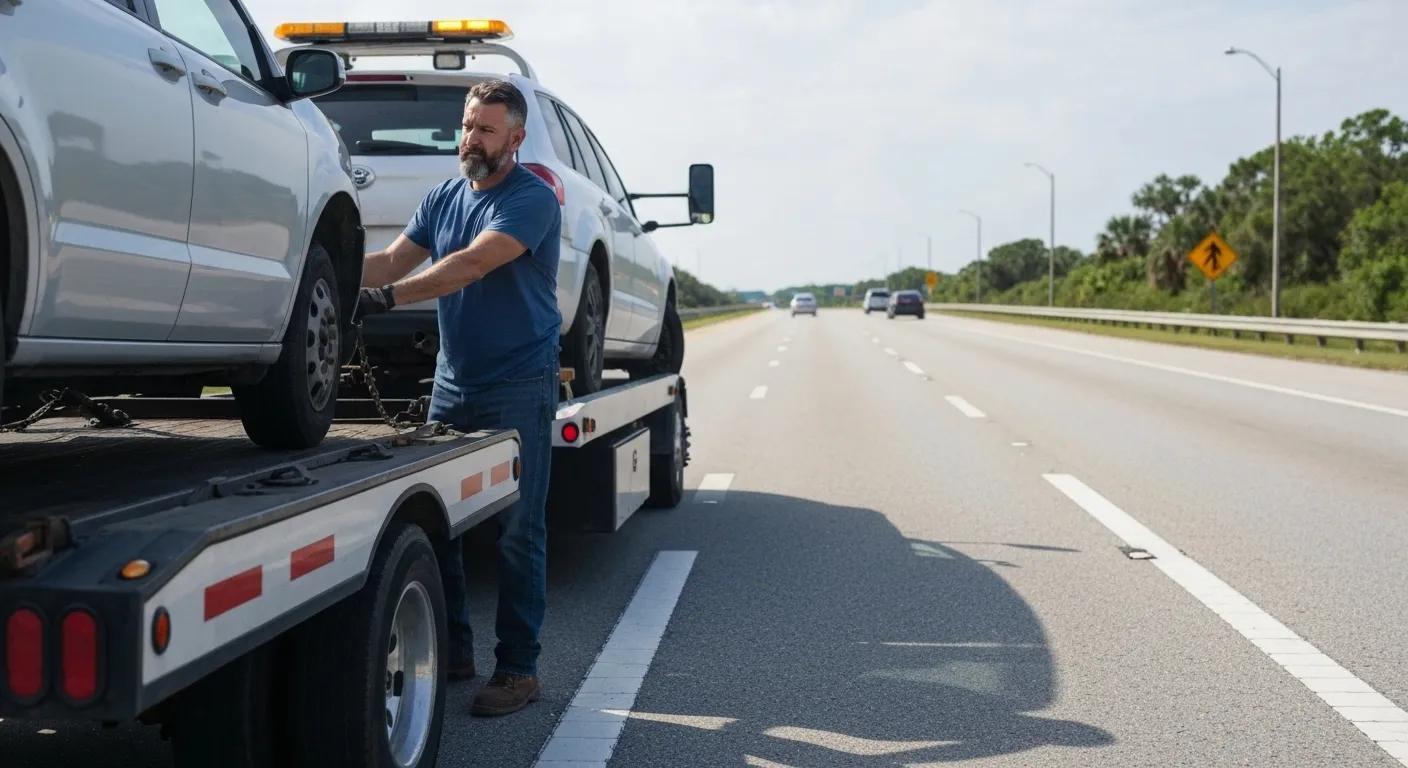
How you drive directly impacts how stable your load is, how much fuel you use, and your overall safety on the road. Adjusting your driving style and using proven techniques can reduce sway and help you avoid accidents on Florida’s highways.
How Should You Adjust Speed and Following Distance When Towing?
Towing means your acceleration and braking won’t be as responsive, so you should:
- Drive 10–15 mph slower than the posted speed limit to account for the extra weight.
- Double your usual following distance (aim for at least 4–6 seconds) to give yourself more room to stop.
- Avoid sudden movements that can shift the tongue weight and make the trailer unstable.
Driving slower and smoother helps maintain balanced load dynamics and prevents trailer sway before it even starts.
What Techniques Help Prevent and Manage Trailer Sway?
Here are some ways to prevent and correct trailer sway:
- Even Weight Distribution: Place about 60% of your cargo in front of the trailer’s axle to help dampen oscillations.
- Weight-Distributing Hitch: This system spreads the tongue weight across both the tow vehicle and trailer axles.
- Brake Controller Adjustment: Increase the proportional gain setting to help manage sway by applying trailer brakes selectively.
- Gear Selection: Use lower gears when going downhill to control your speed without relying too heavily on your brakes.
Using these methods keeps your trailer tracking straight behind your tow vehicle and maintains stability.
How Do You Safely Navigate Hills, Curves, and Turns While Towing?
Different types of terrain require specific techniques:
- Going Uphill: Shift into a lower gear before you start climbing to keep your momentum.
- Going Downhill: Use your engine braking or the trailer brake assist to avoid overheating your service brakes.
- Curves and Turns: Slow down to about half your normal turning speed and take a wider path to allow for the trailer’s swing.
Mastering these maneuvers helps keep your trailer aligned and prevents sudden shifts in weight that could lead to jackknifing.
Why Are Towing Mirrors and Visibility Adjustments So Important?
Using extended towing mirrors and ensuring clear sightlines:
- Show you the blind spots that regular mirrors miss.
- Allow you to monitor how your trailer is behaving during lane changes and when backing up.
- Help you comply with Florida’s law requiring mirrors that extend at least three inches beyond the trailer’s width.
Maintaining excellent visibility significantly reduces the risk of collisions and keeps both your tow vehicle and trailer clearly in view.
What Are the Critical Safety Considerations for Heavy-Duty Towing and Vehicle Recovery?
Handling big rigs, buses, or large equipment ramps up the risk due to their immense weight, shifting centers of gravity, and complex winch operations. This is where specialized knowledge and gear become absolutely essential.
What Specialized Equipment and Training Are Needed for Heavy-Duty Towing?
Heavy-duty towing requires:
- High-Capacity Winches capable of handling loads up to 100,000 lbs.
- Remote-Control Systems for operating winches safely from a distance.
- Operator Certification in professional recovery techniques, such as those from WreckMaster or TRAA.
Combining advanced machinery with structured training programs equips crews to handle large-scale recoveries safely and effectively.
How Do You Safely Perform Vehicle Recovery Using Winches and Recovery Gear?
Safe recovery follows these key steps:
- Establish a Secure Anchor Point on the towing vehicle or a solid structure that can handle more than the expected load.
- Inspect the Winch Cable for any kinks, fraying, or lack of lubrication.
- Attach Recovery Straps using soft shackles or bow shackles to the manufacturer-approved recovery points.
- Control Tension Gradually with remote controls to prevent sudden cable snap-backs.
- Monitor the Load’s Behavior and adjust the anchor angle to ensure a steady pull.
Executing winch operations with precision minimizes stress on the equipment and prevents unexpected failures.
What Are the Unique Risks and Safety Protocols for Heavy Loads?
Heavy loads introduce several specific dangers:
- Increased Stopping Distances, often by 50–100%.
- Tipping Hazards if the center of gravity shifts during turns.
- Cable Snap-Back Risks if a winch cable breaks under tension.
- Roadway Damage if overloaded axles exceed legal weight limits.
Strict protocols—like double-checking anchors, using protective barriers, and coordinating with traffic control—are essential to manage these hazards on Homestead’s busy roads.
What Florida Towing Laws and Local Homestead Regulations Should Drivers Be Aware Of?
Following state and local laws is crucial to avoid fines and legal issues. Knowing these rules ensures your towing experiences are smooth and compliant.
What Are the Key Florida Statutes Governing Towing Practices?
Florida law requires:
- F.S.S. 715.07: Mandates clear “Tow-Away Zone” signs and immediate notification to law enforcement after a non-consensual tow.
- F.S.S. 316.535: Sets standards for trailer size, weight limits, and lighting needed for safe highway travel.
- F.S.S. 323.001: Covers vehicle registration and titling requirements, including licenses for towing services.
Adhering to these statutes helps you avoid costly penalties and confirms your professional standing.
How Do Homestead-Specific Ordinances Affect Towing Companies and Drivers?
Local ordinances in Homestead require:
- Business Licensing: Towing companies must register with the City of Homestead and maintain proof of insurance.
- Maximum Non-Consent Tow Rates: Fees are capped to protect consumers from excessive charges.
- Storage Yard Regulations: Companies must have secure facilities with gated access and proper lighting for towed vehicles.
Complying with city requirements shows accountability and builds trust with local drivers.
What Are Your Rights and Responsibilities If Your Vehicle Is Towed in Homestead?
If your vehicle is towed:
- Right to Notification: Owners must receive prompt written notice detailing the tow location and any associated fees.
- Fee Limitations: Tow and storage fees cannot exceed the maximums set by the county.
- Release Procedures: Owners can retrieve their vehicles after paying all documented fees and providing proof of ownership.
Understanding these rights helps motorists navigate the process after a tow smoothly and confidently.
How Can You Prepare for Emergencies and Roadside Safety While Towing?
Being prepared is your last line of defense when equipment fails or accidents happen. Carrying the right supplies and knowing emergency procedures keeps you and your passengers safe until help arrives.
What Roadside Safety Equipment Should You Always Carry?
Essential gear for any tow includes:
- Premium Reflective Triangles to alert oncoming traffic.
- Portable LED Road Flares that provide 360° visibility for up to 12 hours.
- First Aid Kit fully stocked with bandages, antiseptic wipes, and an emergency blanket.
- High-Output Flashlight or headlamp for any nighttime repairs.
- Fire Extinguisher rated for Class B and C fires, suitable for engine compartments.
Assembling this kit will improve your ability to handle roadside incidents safely and independently.
How Does Proper Use of PPE Reduce Injury Risks During Towing?
Following PPE protocols means:
- Donning a High-Visibility Vest before exiting your vehicle on busy roads.
- Wearing Cut-Resistant Gloves when handling steel chains and winch cables.
- Using Hearing Protection during extended winch operations to prevent noise-induced hearing damage.
Consistent use of PPE complements equipment reliability and shows a proactive approach to safety.
What Emergency Procedures Should Drivers and Operators Follow?
In case of a breakdown or collision:
- Park Safely on the shoulder or in a designated emergency area.
- Activate Hazard Lights and place reflective triangles at least 100 feet behind your vehicle.
- Notify Dispatch or Roadside Assistance with your exact location.
- Remain Inside your vehicle or behind safety barriers until help arrives.
- Document the Scene by taking photos for insurance and service records.
Following these steps minimizes your exposure to traffic and ensures prompt, coordinated assistance from professionals.
Frequently Asked Questions for Safe Towing in Homestead, FL.
What is the 80% rule when towing?
Towing experts suggest keeping the combined tongue weight and payload at no more than 80% of the gross trailer weight. This helps maintain braking efficiency and reduces sway during emergency stops.
What happens if you tow too heavy?
Exceeding your towing capacity can lead to brake failure, tire blowouts, loss of steering control, and a higher risk of jackknifing, all of which can result in serious accidents.
Does towing damage your vehicle?
When done with the correct hitch setup, braking systems, and weight distribution, towing should not harm your vehicle. Following manufacturer guidelines and performing routine maintenance will protect your drivetrain and chassis.
Contact Towing Homestead today to ensure every haul meets the highest safety standards. Our skilled operators, advanced equipment, like Flatbed tow trucks and in-depth knowledge of Florida regulations provide peace of mind on every call.