
Towing Safety Regulations in Florida Explained
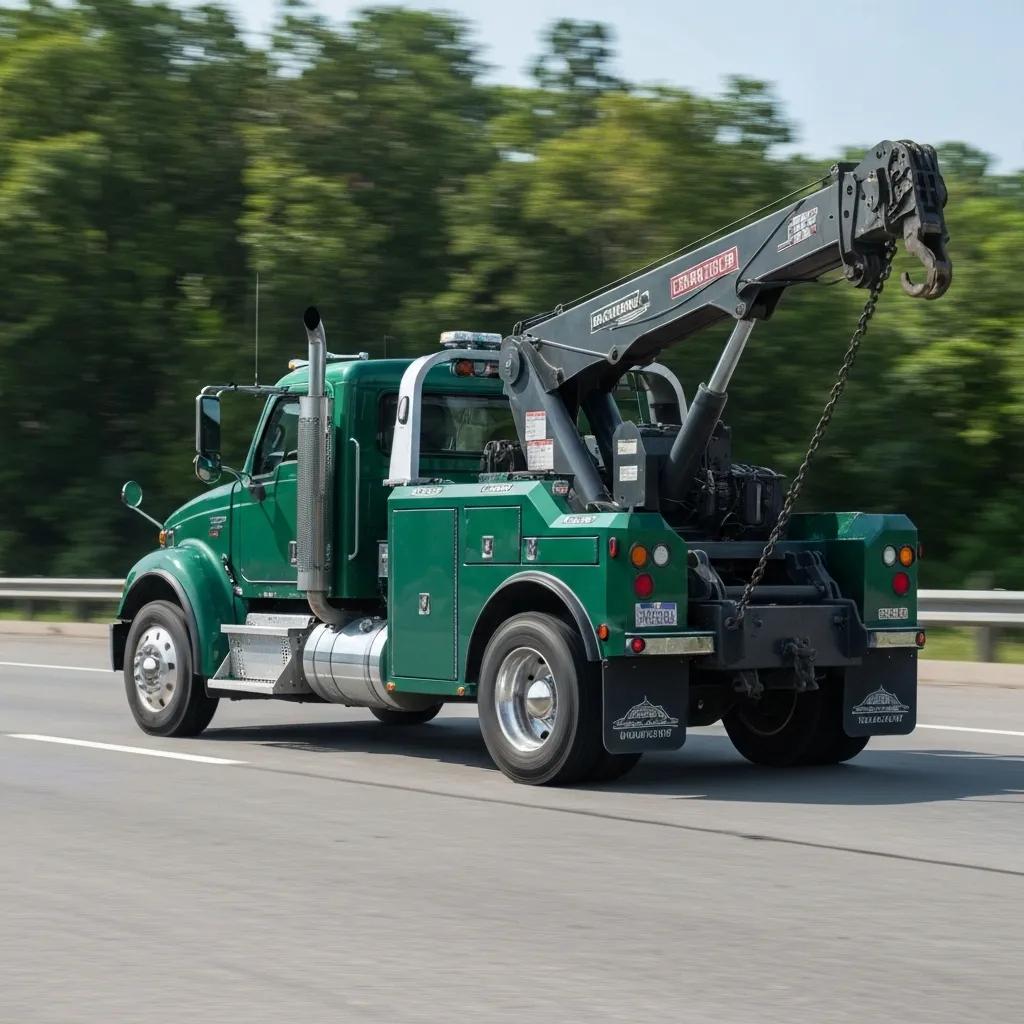
Florida Towing Laws: Your Guide to Local Rules and Driver Rights in Homestead, FL
Florida’s towing regulations lay out clear guidelines to protect drivers and ensure professional roadside help across the state. Knowing these rules can help Homestead drivers steer clear of surprise charges, improper vehicle impounds, and unsafe towing practices. This guide will walk you through:
- The main state laws governing tow operations, what happens if they’re broken, and how drivers are protected
- Rules for towing from private property, including signage, authorization, and notification necessities
- Specific Homestead ordinances covering impound procedures and local tow truck operations
- Requirements for operator licenses, training, and equipment to ensure compliance
- Your rights as a consumer when your vehicle is towed and how to challenge fees or unfair actions
By the time you finish reading, you’ll understand how Florida’s towing safety rules work, how we at Towing Homestead adhere to every regulation, and what steps to take if your vehicle is towed unfairly.
What Are the Key Florida Towing Laws and Regulations?
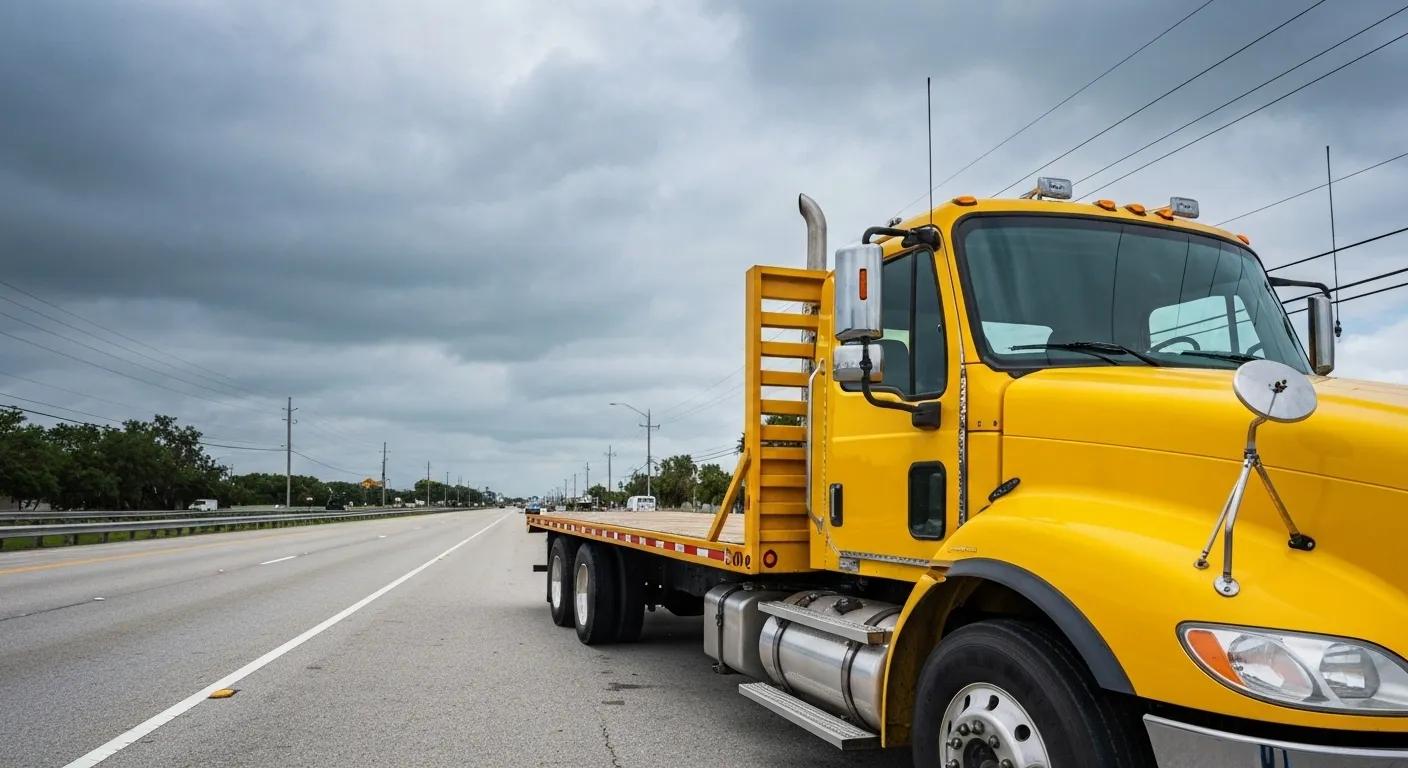
Florida statutes establish the foundation for safe towing by defining approved methods, equipment standards, and consumer safeguards. Section 715 of the Florida Statutes governs nonconsensual towing from private property, while Chapter 316 addresses vehicle safety and removal procedures. These laws aim to boost roadside safety and clarity for drivers throughout Florida.
| Rule Category | Statute Reference | Core Requirement |
|---|---|---|
| Nonconsensual Tows | F.S. 715.07 | Notify owner within 30 minutes of tow |
| Tow-Truck Equipment | F.S. 316.003(70)(b) | Safety lights, working brakes, secure winches |
| Impound Lot Registration | F.S. 715.09 | Licensed storage facilities with posted rates |
| Consumer Fee Limits | F.S. 715.07(8) | Maximum charges for hookup and storage after 24 hours |
Together, these provisions ensure consistent towing practices statewide and guarantee drivers receive timely information and fair pricing. The next section will detail the specific laws that guide operator conduct and vehicle safety.
Which state laws govern towing safety and operations in Florida?
Florida’s towing framework is built upon Title XXIII, Chapters 316 and 322, along with Chapter 715 for private property tows. Chapter 316 mandates vehicle equipment and safe removal procedures, while Chapter 715 outlines notification, impound practices, and storage facility requirements. Collectively, they dictate how tow operators must conduct themselves on highways and private lots.
How do Florida towing laws protect vehicle owners and operators?
Florida statutes protect drivers by requiring:
- Immediate notification to the owner after a nonconsensual tow
- Clear disclosure of fees before a vehicle can be released
- Licensed impound facilities that meet safety and record-keeping standards
These measures ensure owners can retrieve their towed vehicles quickly and challenge any incorrect charges.
What are the penalties for violating Florida towing regulations?
- Fines of up to $1,000 per violation under F.S. 715.07
- Suspension of licenses for repeated noncompliance
- Responsibility for damages if faulty equipment or improper hook-ups cause harm to a vehicle
These penalties serve to enforce safety standards and safeguard consumer interests.
What Are the Private Property Towing Rules in Florida?
The law regarding towing from private property defines when and how vehicles can be removed from commercial or residential lots without the owner’s permission. Florida’s statute on nonconsensual towing (F.S. 715.07) requires clear authorization, prompt notification, and regulated fee structures to protect property rights and ensure fairness to consumers.
How does private property towing work under Florida law?
Towing from private property requires visible signage and prior authorization. A tow company in homestead can only remove a vehicle if the owner has given consent in writing or through an approved digital form. This process prevents unexpected tows and gives owners a chance to avoid having their vehicle removed.
What signage and notification requirements must private property tow companies follow?
Tow operators must ensure:
- Signs that are at least 24×24 inches are posted at every lot entrance
- Sign text clearly states “Unauthorized vehicles will be towed at owner’s expense”
- Contact information for the towing company and local law enforcement is provided
These signs inform drivers about towing policies and the conditions under which a vehicle may be legally removed.
How can property owners legally authorize towing in Florida?
- Signing a formal contract with a licensed tow company
- Using a digital authorization form that meets state record-keeping standards
- Posting clear property rules on-site
Proper authorization establishes a documented chain of responsibility and compliance.
What Are the Homestead, FL Towing Ordinances You Should Know?
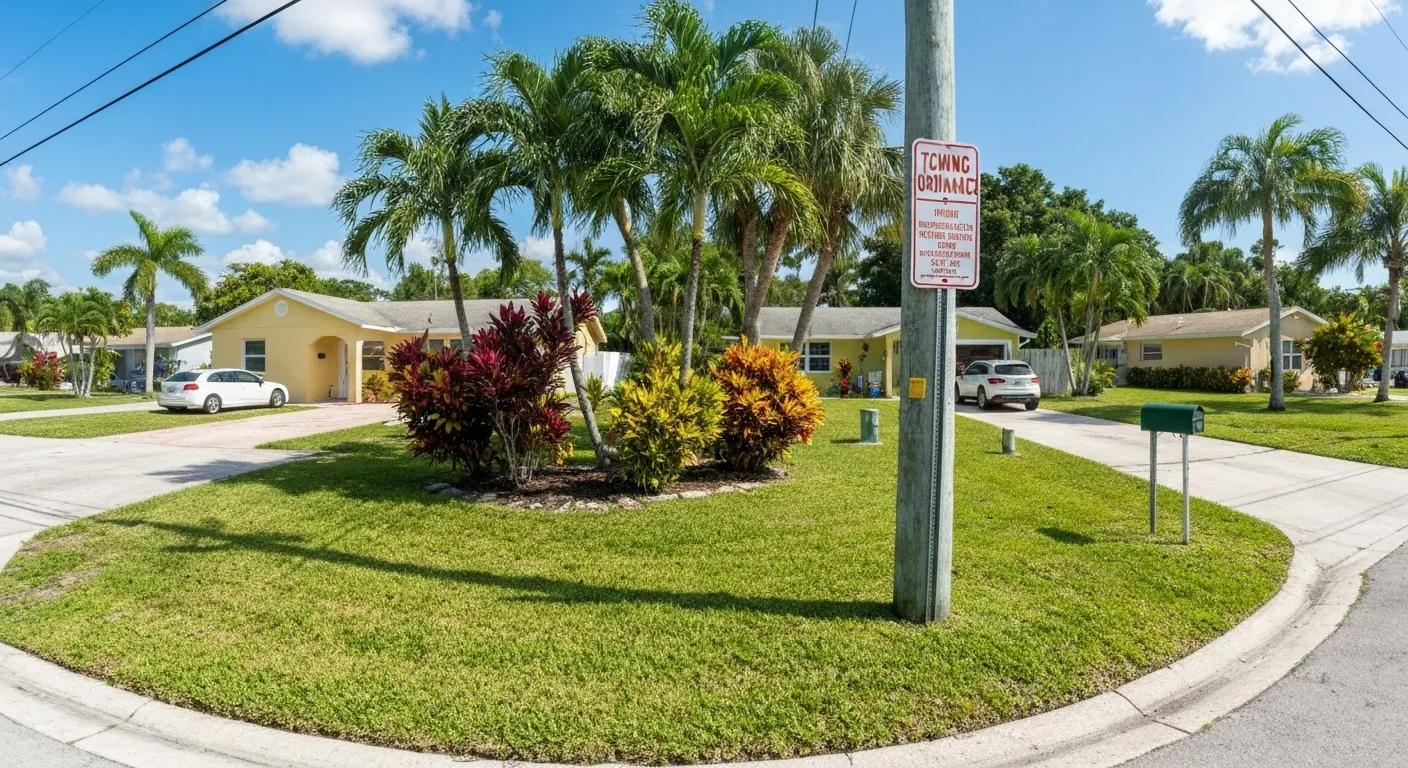
In addition to state laws, Homestead has local ordinances that regulate tow truck operations, impound procedures, and record-keeping. These city-specific rules are designed to fit the local traffic patterns and community needs.
| Ordinance Topic | Homestead Code Section | Local Provision |
|---|---|---|
| Impound Lot Standards | Sec. 15-121 | Requirements for fencing, lighting, and 24-hour access |
| Tow-Truck Parking Zones | Sec. 15-130 | Designated areas for safe pickup and drop-off operations |
| Record Retention | Sec. 15-124 | 3-year archive of tow manifests and owner notifications |
How do Homestead towing ordinances differ from state regulations?
Local ordinances add specific requirements for facilities and designated towing zones that go beyond statewide statutes. While state law covers equipment and notification, Homestead’s code details impound lot security and truck parking locations to better suit the city’s infrastructure.
What local rules govern tow truck operations and impound procedures in Homestead?
Homestead requires licensed impound yards to have perimeter fencing, adequate lighting, and 24-hour access for owners. Tow trucks must use city-designated parking areas to avoid blocking traffic and ensure safe vehicle recovery.
Where can residents find official Homestead towing ordinance information?
Residents can find Chapter 15 of the City of Homestead Code of Ordinances at the municipal clerk’s office or on the city’s website. These official documents outline all local towing standards and enforcement procedures.
What Are the Florida Tow Truck Operator Requirements?
Florida requires tow truck operators to meet strict licensing, training, and equipment standards to ensure safety and professionalism. Operators must possess state permits, complete safety courses, and equip their trucks with necessary lights and secure attachments.
| License Type | Issuing Body | Requirement |
|---|---|---|
| Tow Truck Operator Permit | Department of Highway Safety | Background check, proof of insurance, fee payment |
| Vehicle For Hire Endorsement | Florida Department of Motor Vehicles | Completion of an approved towing safety training course |
| Vehicle Registration | County Tax Collector | Valid registration for the tow truck as a commercial vehicle |
These credentials confirm that every tow technician in Homestead meets statewide safety and professional standards.
What licenses and certifications must Florida tow truck operators have?
Operators need a Tow Truck Operator Permit from DHSMV, proper commercial vehicle registration, and a “Vehicle for Hire” endorsement if they provide paid roadside assistance. These credentials verify driver qualifications and vehicle safety compliance.
How do safety training and equipment standards apply to tow operators?
Certified operators must complete approved safety courses covering topics like load securement, accident prevention, and equipment inspection. Tow trucks must be equipped with high-visibility lighting, functional winches, and properly rated hooks to minimize the risk of accidents.
What are the responsibilities of tow truck drivers under Florida law?
- Inspect all equipment before starting each job
- Communicate estimated fees and procedures clearly to vehicle owners
- Maintain accurate tow manifests and provide copies when requested
These duties promote transparency, safety, and consumer confidence in every roadside service provided.
What Are Your Florida Towing Consumer Rights?
Florida law grants drivers rights to fair treatment, clear fee information, and avenues for dispute resolution when their vehicle is towed. Understanding these rights can help you retrieve your vehicle promptly and challenge any unfair practices.
Key consumer protections include:
- Prompt notification to the owner within 30 minutes for nonconsensual tows
- Access to written fee schedules before making any payment
- The right to review tow manifests and storage facility records
- The ability to dispute incorrect charges through an administrative complaint.
How can consumers verify a towing company’s compliance with Florida laws?
You can verify a company’s license with the Department of Highway Safety, check the posted fee schedules at the impound lot, and ask for copies of tow manifests. A compliant operator will readily provide clear documentation upon request.
What steps should you take if you believe your vehicle was towed unlawfully?
First, gather your evidence: take photos of signage, collect copies of contracts, and keep your tow manifest. Then, file a formal written complaint with the Florida Department of Agriculture and Consumer Services and your local police department to start an investigation.
How are towing fees regulated and disputed in Florida?
Florida sets limits on nonconsensual tow and storage fees under F.S. 715.07(8). If you are charged more than these limits, you can dispute the fees in county court or file an administrative claim with state regulators.
Frequently Asked Questions for Safe Towing and Roadside Assistance in Florida
Can a tow truck tow my car without the keys?
Yes, a tow truck can tow a vehicle without the keys if the owner gives written consent or if the vehicle is lawfully impounded under nonconsensual towing rules. Operators follow strict safety procedures to secure and transport your vehicle without needing access to the ignition.
What is the new towing law in Florida?
The most recent update to F.S. 715.07 improves owner notification by shortening the notification period from 60 to 30 minutes and requires digital record-keeping for tow manifests. This change leads to quicker communication and more accurate documentation.
What do I need to operate a tow truck in Florida?
To operate a tow truck in Florida, you need a Tow Truck Operator Permit from DHSMV, proper commercial vehicle registration for the tow truck, and completion of an approved towing safety course. Keeping your insurance up-to-date and displaying official identification are also mandatory.
Towing Homestead’s certified team meets all state and local requirements to provide dependable roadside assistance in Homestead, FL. Our licensed operators and fully equipped trucks guarantee safe, compliant tows under all Florida regulations.
Our mission is to offer transparent, professional towing services that respect your rights and provide peace of mind on Homestead roads. For immediate help or if you have questions about compliance, call our 24/7 dispatch line or complete our online request form today.