
Heavy-Duty Towing vs Standard Service: Which Is Better for Long-Distance?
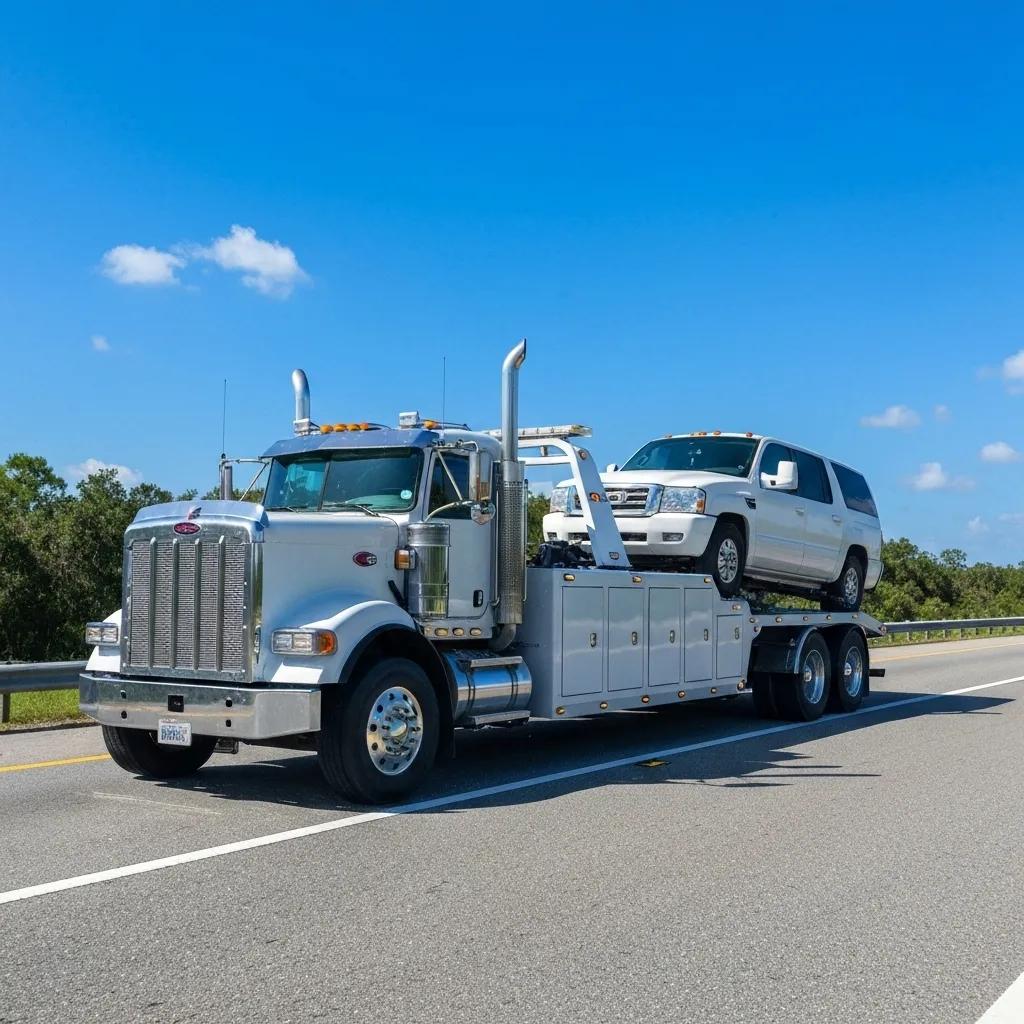
Heavy-Duty Towing vs. Standard Service: Which is Your Best Bet for Long-Distance Vehicle Transport in Homestead, FL?
Getting a vehicle across state lines can be a real headache – stressful, expensive, and downright risky if you don’t have the right towing solution. When dependable long-distance towing in Florida is a must, your choice between heavy-duty towing and standard service really makes a difference in safety, cost, and making sure you’re following all the rules. This guide breaks down what long-distance towing is all about, compares the specialized power of heavy-duty rigs to regular methods, looks at what drives the costs, covers Florida’s regulations, and helps you pick the best 24/7 provider right here in Homestead. By the time we’re done, you’ll know exactly which towing option is the perfect fit for your vehicle, your budget, and your schedule.
What Exactly is Long-Distance Towing and When Do You Need It?
Long-distance towing means transporting vehicles over significant stretches – usually 50 miles or more – using professional tow trucks built for steady highway driving. It involves careful route planning, specialized gear, and sticking to interstate rules to get your vehicle there safely. Whether you’re relocating, a dealership delivering a sold car, or a business moving a fleet, reliable long-haul transport keeps wear and tear, mechanical hiccups, and logistical nightmares at bay.
Now that we’ve covered the planning side, let’s dive into what the actual transport process entails.
What’s Involved in Long-Distance Vehicle Transport?
Long-distance vehicle transport is all about balancing the needs of where you’re starting, the route you’ll take, and where you’re going, all while picking the right equipment and getting professional handling.
- A thorough check of your vehicle and making sure it’s secured properly
- Mapping out the route, keeping an eye on weight limits and road conditions
- Managing fuel stops and making sure our drivers get their rest
- Keeping you in the loop with real-time tracking and updates
When Should You Think About Using Long-Distance Towing Services?
You should call for long-distance towing whenever your vehicle needs to go further than your local service area, or if you don’t have the time, the right gear, or the know-how to handle a long trip yourself.
- Moving a vehicle after you’ve bought or sold it in another region
- Dealing with a breakdown far from home and needing a ride back
- Repositioning a commercial fleet between different cities
- Retrieving a vehicle that’s not running after an accident
Understanding these situations helps you figure out if heavy-duty or standard towing is the better match for what you need, which is what we’ll explore next.
How Does Heavy-Duty Towing Differ from Standard Service for Long-Distance Hauls?
Heavy-duty towing is designed for big, heavy vehicles and oversized loads, while standard service is for everyday cars, light trucks, and SUVs. The main differences come down to how much they can handle, the complexity of their equipment, and following all the regulations.
What Kinds of Vehicles Need Heavy-Duty Long-Distance Towing?
Heavy-duty long-distance towing is reserved for vehicles that typically weigh over 15,000 pounds or have unusual dimensions. This includes:
- Semi-trucks and tractor units
- Motorhomes and large RVs
- Buses and passenger coaches
- Construction machinery like excavators and bulldozers
Safely moving these kinds of weights requires advanced tow trucks, which we’ll get into below before we compare them to the standard options.
What Equipment is Used in Heavy-Duty Long-Distance Towing?
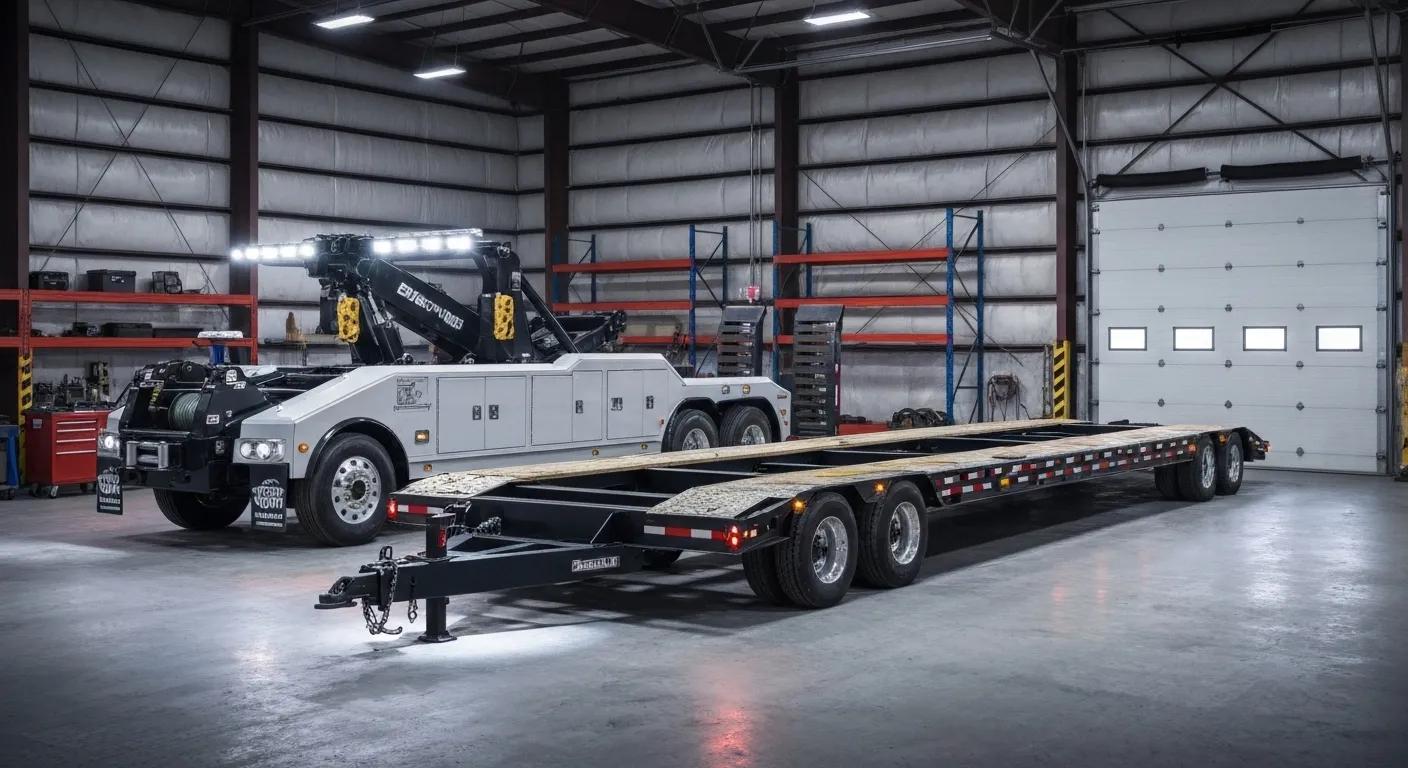
For heavy-duty long-haul towing, we rely on multi-axle rotators, lowboy trailers, and integrated hydraulic lifts.
| Tow Truck Type | Capacity | Key Feature |
|---|---|---|
| Rotator Wrecker | Up to 75 tons | 360° boom for tricky recoveries |
| Lowboy Trailer | 30–80 tons | Low deck height for oversized loads |
| Integrated Tractor | 25–60 tons | On-board winch and stabilization |
These specialized trucks secure heavy loads according to strict interstate standards, which leads us to look at the lighter towing options for smaller vehicles.
What Vehicles are Suitable for Standard Long-Distance Towing?
Standard long-distance towing handles cars, light-duty trucks, and SUVs weighing under 10,000 pounds. Common vehicles include:
- Everyday sedans and coupes
- Small to medium-sized SUVs
- Compact and full-size pickup trucks
- Motorcycles, when using special trailers
Knowing these limits helps you decide whether to call for a standard flatbed or wheel-lift service instead of the heavy-duty rigs.
How Do Flatbed and Wheel-Lift Methods Compare for Standard Towing?
Both flatbed and wheel-lift methods secure lighter vehicles in different ways, which impacts the cost and safety on longer routes.
| Method | Stabilization | Wear on Vehicle | Best Use Case |
|---|---|---|---|
| Flatbed | All wheels off the ground | None | Vehicles sensitive to damage or not running |
| Wheel-Lift | Two wheels off the ground | Potential drivetrain/tire wear | Quick local or light-load towing |
Flatbeds offer the best protection for cross-state journeys, while wheel-lift can be more budget-friendly for cars that are still running, which brings us to our next topic: the benefits.
What Are the Key Benefits of Heavy-Duty vs. Standard Towing for Long-Distance Trips?
Whether you need to move a semi-truck or ship your SUV across the country, each towing style offers distinct advantages in terms of safety, compliance, and cost-effectiveness.
How Does Heavy-Duty Towing Ensure Safety and Compliance?
- Stronger securement systems that prevent loads from shifting
- Meeting federal bridge formulas and highway weight limits
- Certified operators trained in handling oversized and overweight loads
- Increased insurance coverage for high-value cargo
By following regulations and using equipment specifically designed for the job, heavy-duty towing reduces liability and ensures smooth transit across state lines.
Why is Flatbed Towing Recommended for Standard Long-Distance Transport?
- Even deck support that reduces stress on the vehicle’s frame
- Complete immobilization of the vehicle, preventing wear during transit
- Easier loading for vehicles that aren’t running or are specialty types
- Works well for cars that have very low ground clearance
These advantages line up perfectly with what’s important for long-distance travel, and now we can move on to looking at when standard service might be a better deal for your budget.
When is Standard Towing More Cost-Effective for Long Hauls?
- When your vehicle weighs less than 7,000 pounds
- If the distance is over 100 miles but doesn’t require special oversized permits
- When you need a quick turnaround and minimal handling
- If open-deck service is suitable for your vehicle’s value
Identifying these potential savings helps you weigh cost against protection and compliance – a crucial step before we get into the nitty-gritty of pricing.
How Much Does Long-Distance Towing Cost: Heavy-Duty vs. Standard Rates?
Long-distance towing costs are a mix of a base fee and a per-mile charge, adjusted based on the vehicle class and the type of equipment used. Understanding these factors helps avoid unexpected fees and makes budgeting much easier.
What Factors Influence Long-Distance Towing Costs?
- The distance traveled and how complex the route is
- The vehicle’s weight, size, and current condition
- The specific equipment needed (flatbed, rotator, lowboy)
- Costs for permits and escorts if the load is oversized
- Time of day, seasonal demand, and fuel price adjustments
Knowing each of these elements will help you get a more accurate estimate.
How Are Heavy-Duty Towing Rates Calculated?
| Service Type | Base Fee | Per-Mile Rate |
|---|---|---|
| Semi-tractor recovery | $250–$400 | $5.00–$8.00 |
| Lowboy transport | $300–$500 | $4.50–$7.50 |
| Rotator service | $450–$700 | $6.00–$10.00 |
What Florida Regulations Affect Long-Distance Heavy-Duty and Standard Towing?
Operating in Florida means you have to follow state laws, local rules, and consumer protection regulations to ensure your service is legal, honest, and transparent.
What State and Local Laws Govern Long-Distance Towing in Florida?
- All trucks must have proper licensing and clear tower identification
- Fees must be clearly stated in writing before service begins
- Permits are required for loads exceeding legal weight limits
- Law enforcement must be notified if a vehicle breaks down on a highway
What Are Your Rights and Responsibilities as a Consumer?
- You should receive a written quote and an itemized invoice for towing
- You have the right to check the credentials of the tower and their equipment
- You can dispute excessive charges with local regulatory bodies
- You can expect prompt, professional service under consumer protection laws
Why Choose Licensed and Insured Providers for Long-Distance Towing?
- They operate legally and have all necessary permits
- They carry comprehensive liability coverage for any damage claims
- They are professionally accountable and offer transparent pricing
- They adhere to industry best practices for safety
These assurances are why it’s so important to check credentials before you authorize any long-distance tow.
How to Choose the Right Long-Distance Towing Service in Homestead, FL?
Picking the best long-distance towing partner involves matching your vehicle’s needs with your budget and finding a provider with local know-how – these are the key factors that set the top companies apart.
When Should You Opt for Heavy-Duty vs. Standard Long-Distance Towing?
Choose heavy-duty towing when:
- Your vehicle weighs over 15,000 pounds or is considered oversized
- Specialized securement and permits are necessary
- Safety and regulatory compliance are more important than cost
Opt for standard service if:
- Your car or light truck weighs under 7,000 pounds
- You need flatbed protection without the complexities of oversized loads
- Budget and speed are your top priorities for regular relocations
These guidelines make it easier to make the right decision for any long-haul situation.
How Does Local Expertise Impact Long-Distance Towing Quality?
- In-depth knowledge of Florida’s highway routes
- Familiarity with bridges that have weight restrictions and seasonal detours
- Quick dispatch times within Miami-Dade County
- Strong working relationships with permitting agencies
Local insight helps cut down on delays, avoid fines, and ensure a smoother transport experience.
Why is 24/7 Availability Crucial for Long-Distance Towing?
- Immediate response for breakdowns far from home
- Flexible scheduling to avoid traffic or restricted hours
- Real-time support during emergencies on remote routes
- Peace of mind knowing help is always just a phone call away
Constant availability can turn a potentially uncertain journey into a well-planned, reliable transport.
What Makes Towing Homestead the Best Choice for Long-Distance Towing in Homestead, FL?
When dependable long-distance towing in Homestead, Florida is essential, Towing Homestead combines local service, specialized equipment, and clear pricing to offer unmatched value.
How Does Towing Homestead Ensure Fast, Reliable Service?
Towing Homestead’s 24/7 fleet strategy means a tow truck can arrive within 15–30 minutes in central Homestead, and we dispatch heavy-duty rigs whenever they’re needed. Our technicians use optimized routes and real-time GPS tracking to guarantee timely pick-ups and drop-offs all across Florida.
What Safety and Professional Standards Does Towing Homestead Follow?
- Certified securement methods that meet federal FMCSA guidelines
- Regular inspections and preventative maintenance for all our vehicles
- Driver training focused on safe highway operations
- Clear, upfront estimates with absolutely no hidden fees
These safety measures build trust and minimize risks throughout your long-distance journeys.
What Types of Vehicles Can Towing Homestead Transport Long-Distance?
- Passenger cars, sports cars, and EVs transported on flatbeds
- SUVs, pickups, and vans using either wheel-lift or flatbed options
- RVs, buses, and motorhomes transported on heavy-duty trailers
- Construction equipment and oversized loads handled with rotators and lowboys
This wide range of capabilities makes Towing Homestead your go-to solution for any long-distance requirement.
Driven by local expertise, advanced equipment, and a steadfast commitment to transparency, Towing Homestead is ready to safely transport your vehicle across Florida’s highways. Whether you need heavy-duty recovery for oversized loads or flatbed towing for a standard sedan, our skilled team provides prompt, compliant service backed by 24/7 availability. Trust us for every long-haul journey – from planning and permits to the final delivery – with clear pricing and professional care. Contact Towing Homestead today to arrange your next reliable long-distance tow without compromise.
How much does it cost for long-distance towing?
Long-distance towing costs are influenced by several factors, including the distance traveled, the weight and type of vehicle, the specific equipment required (e.g., flatbed, heavy-duty trailer), and any necessary permits or escorts for oversized loads. Generally, heavy-duty towing services have higher base fees and per-mile rates compared to standard towing. For standard towing, expect rates that might range from $150-$300 for a base fee and $3-$5 per mile. Heavy-duty services can range from $250-$400 for a base fee and $5-$10 per mile, depending on the complexity and vehicle class.
What is considered long distance towing?
Long-distance towing is typically defined as transporting a vehicle over a significant distance, generally considered to be 50 miles or more. This type of service is often required for situations like relocating, transporting vehicles purchased or sold in different regions, or moving a vehicle after a breakdown far from home. It involves professional planning, specialized equipment suitable for highway speeds, and adherence to interstate regulations to ensure the vehicle’s safe arrival.
What is considered a heavy duty trailer?
A heavy-duty trailer, in the context of towing, refers to trailers designed to transport large, heavy, or oversized vehicles and equipment. These trailers are built with robust construction, multiple axles, and high weight capacities. Examples include lowboy trailers, which have a significantly lower deck height to accommodate tall vehicles or machinery, and specialized trailers used for hauling semi-trucks, buses, RVs, construction equipment like excavators and bulldozers, and other loads that exceed the capacity of standard towing equipment. Their weight capacity typically ranges from 30 tons up to 80 tons or more.