
Flatbed Towing Benefits for Classic Car Owners
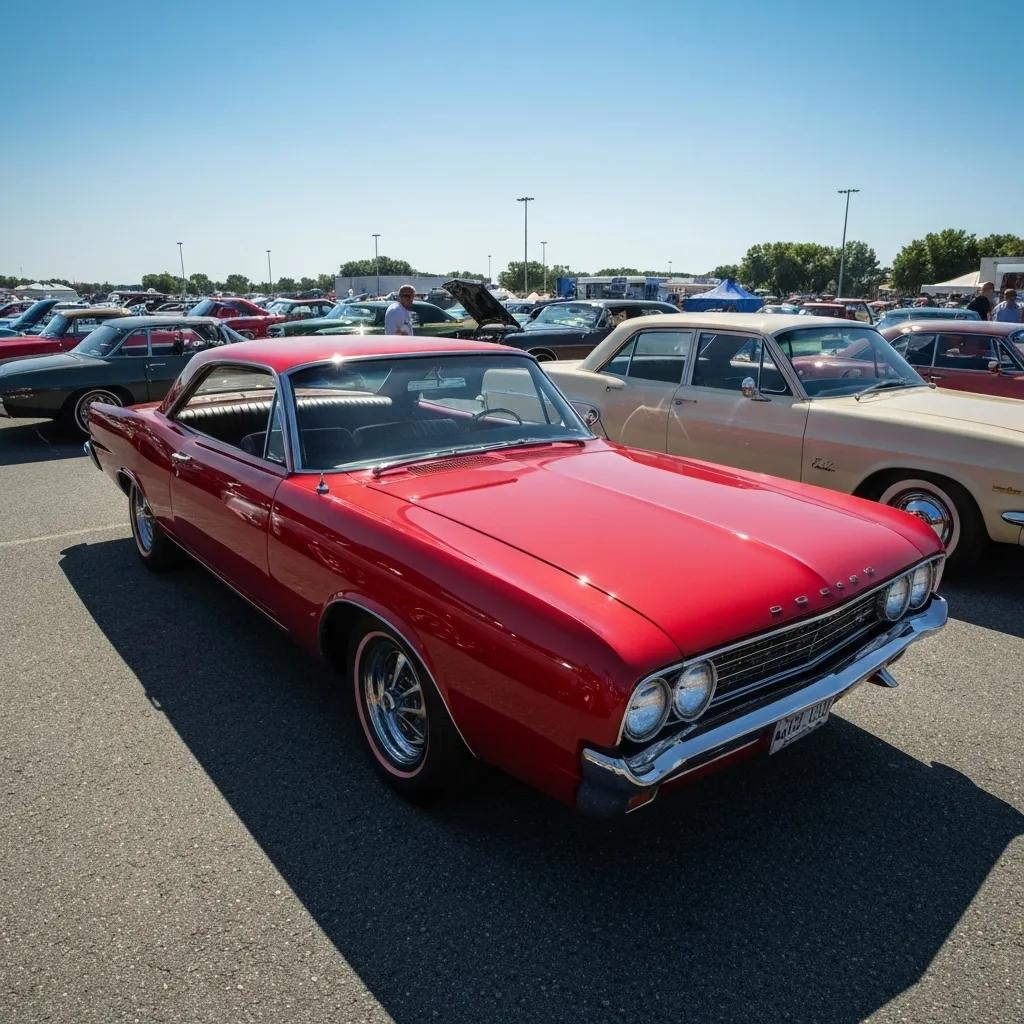
Flatbed Towing: The Smart Choice for Your Cherished Classic Cars
Classic cars are more than just vehicles; they’re treasured investments that demand the utmost care during any relocation. Flatbed towing offers a tried-and-true method to protect delicate suspension systems, drivetrains, and low-profile designs from potential harm. In this guide, we’ll explore why flatbed towing is the premier option for vintage automobiles, how it shields vital components, its advantages over wheel-lift and dolly towing, steps to ready your classic for transport, how to select specialized towing services, cost and insurance considerations, common owner inquiries, and how Towing Homestead’s around-the-clock expertise ensures damage-free transport right here in Homestead, FL.
Why Flatbed Towing is the Top Pick for Classic Cars
Flatbed towing provides complete support for your vehicle on a stable platform, preventing any strain on tires, suspension, or steering mechanisms. By lifting the entire chassis clear of the road, this method avoids scuffs on low-slung undercarriages and preserves original finishes.
Here are the key reasons why it stands out:
- A specialized platform eliminates pressure from wheel lifts.
- Even load distribution safeguards frames and axles.
- Enclosed flatbeds offer protection from road debris and weather.
Each of these benefits helps maintain the pristine condition of fine paintwork, chrome accents, and undercarriage parts. Understanding these core advantages leads us to a closer look at how damage is prevented.
The Advantages of Flatbed Towing for Your Classic Car
Flatbed towing is highly recommended for classic cars because it offers complete vehicle support, relieving stress on tires, suspension, and steering systems. This method prevents damage to low-clearance floors and helps maintain the vehicle’s original finish.
How Flatbed Towing Prevents Damage to Classic Cars
Flatbed towing secures all four wheels in specialized cradles and uses soft-loop tie-downs at factory-approved lifting points. This approach prevents twisting forces and chassis flex, ensuring no abrasion occurs on body panels or undercarriage coatings.
By avoiding concentrated pressure on torque arms and leaf springs, original suspension geometry is preserved, and ride height integrity is maintained.
What Makes Flatbed Towing Safer Than Traditional Towing Methods?
Flatbed towing keeps the vehicle completely off the road, unlike wheel-lift systems that can stress axles and driveline seals. Dolly towing leaves two wheels on the ground, risking tire wear and unpredictable steering drag. Flatbeds provide stable, secure transport that avoids these potential issues.
Minimizing dynamic forces during transport helps protect vintage shock absorbers and brake lines, ensuring the drivetrain remains secure.
Why Zero Ground Contact is Crucial for Vintage Vehicle Safety
Zero ground contact means no part of your classic car experiences rolling friction, the risk of punctures, or heat wear from hot pavement. Sensitive leaf springs, tie-rod ends, and original rubber bushings are protected from premature wear when the vehicle is fully lifted.
This comprehensive protection naturally leads into specialized techniques for safeguarding suspension and drivetrain components.
How Flatbed Towing Protects Classic Car Suspension and Drivetrain
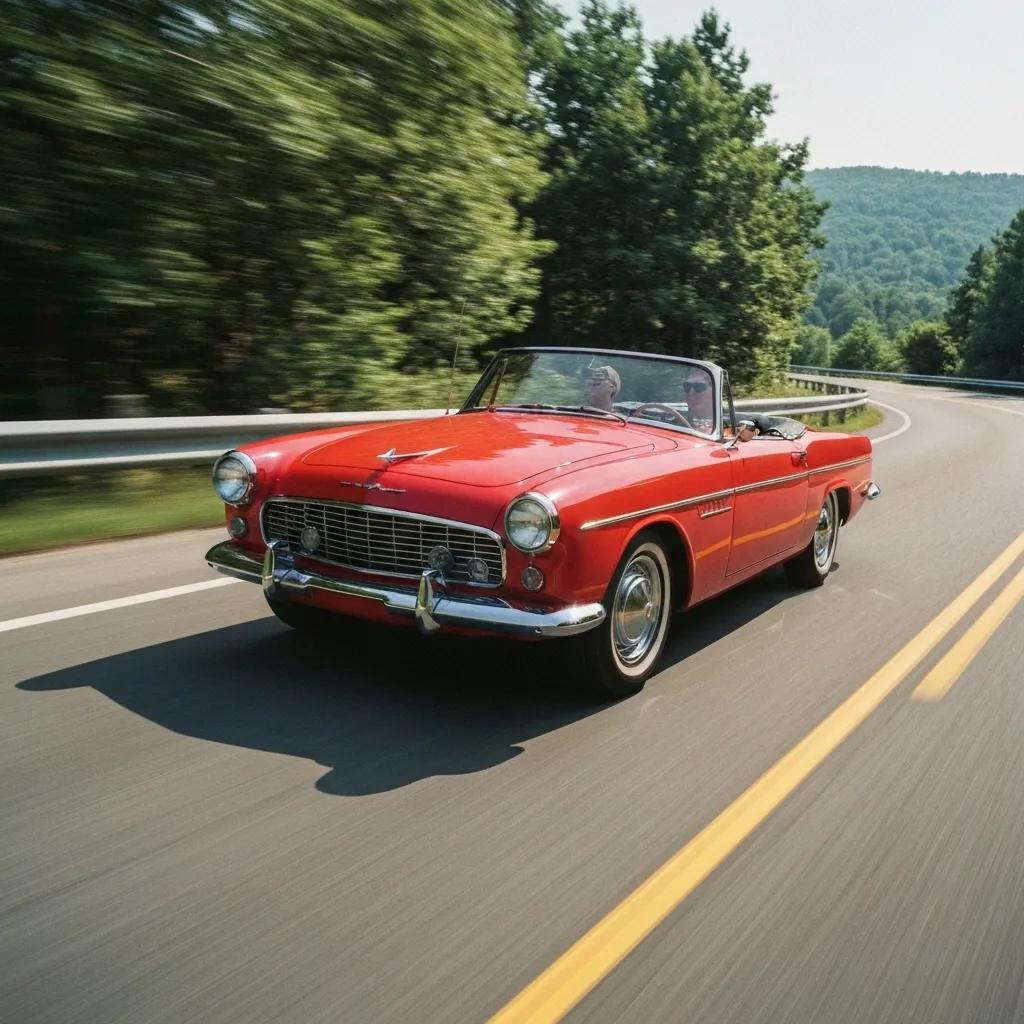
Flatbed towing lifts your vehicle completely off its tires and axles, preventing stress cycles and concentrated pressure that could affect custom suspension setups or weaken vintage drivetrains. By maintaining alignment and avoiding torque twists, flatbeds ensure mechanical components stay within their original tolerances.
What Are the Risks to Suspension with Other Towing Methods?
Wheel-lift towing places concentrated weight on two suspension points, risking spring sag, frame bending, and overstressing bushings. Dolly towing applies uneven loads to the front or rear suspension, potentially causing misalignment and accelerated wear on ball joints and control arms.
Understanding these potential problems helps owners choose flatbeds as the preferred method for protecting rare suspension parts.
How Does Flatbed Towing Maintain Classic Car Ground Clearance?
Flatbed platforms equipped with hydraulic tilt ramps allow for slow, gentle loading without scraping bumpers or rocker panels. Adjustable deck heights can accommodate vehicles with less than 3 inches of clearance, preventing chassis contact and subsequent panel damage.
This careful loading process naturally extends to the use of precision equipment discussed next.
What Specialized Equipment is Used to Secure Classic Cars on Flatbeds?
Professional flatbed trucks use soft nylon wheel nets, ratchet straps with protective sleeves, and integrated wheel chocks that cradle tires without compressing sidewalls. Each strap is secured to factory-approved anchor points to avoid stressing rockers or bumpers.
These features collectively help maintain drivetrain alignment and securely transport low-profile vehicles throughout the journey.
Key Benefits of Flatbed Towing for Classic Car Owners
Flatbed towing offers comprehensive protection and convenience specifically for collector vehicles:
| Benefit Category | Specific Advantage | Real-World Impact |
|---|---|---|
| Damage Prevention | Zero road contact | No tire wear or undercarriage scuffing |
| Suspension Integrity | Even weight distribution | Maintains original ride height and alignment |
| Low-Clearance Support | Hydraulic tilt ramps | Scratch-free loading for sports cars and hot rods |
| Environmental Shield | Enclosed options (weather-tight cover) | Protection from rain, dust, and road debris |
How Does Flatbed Towing Ensure Damage-Free Transport?
Flatbed services utilize multi-point tie-downs and wheel-cradle systems to completely immobilize the vehicle, preventing any movement that could chip paint or loosen trim. Soft loop attachments maintain chassis integrity while safely dissipating braking and acceleration forces through the deck.
Minimizing movement during transport ensures a smooth transition to addressing specific low-clearance needs.
Why is Flatbed Towing Ideal for Low-Clearance and Antique Automobiles?
Historic roadsters and custom-lowered classics benefit from adjustable ramp angles and slide-bed mechanisms that minimize scrape angles. This gentle incline prevents contact with stone guards and front spoilers, preserving body kits and original undertrays.
The focus on clearance naturally leads to protection against environmental hazards.
How Does Flatbed Towing Protect Against Road Debris and Environmental Hazards?
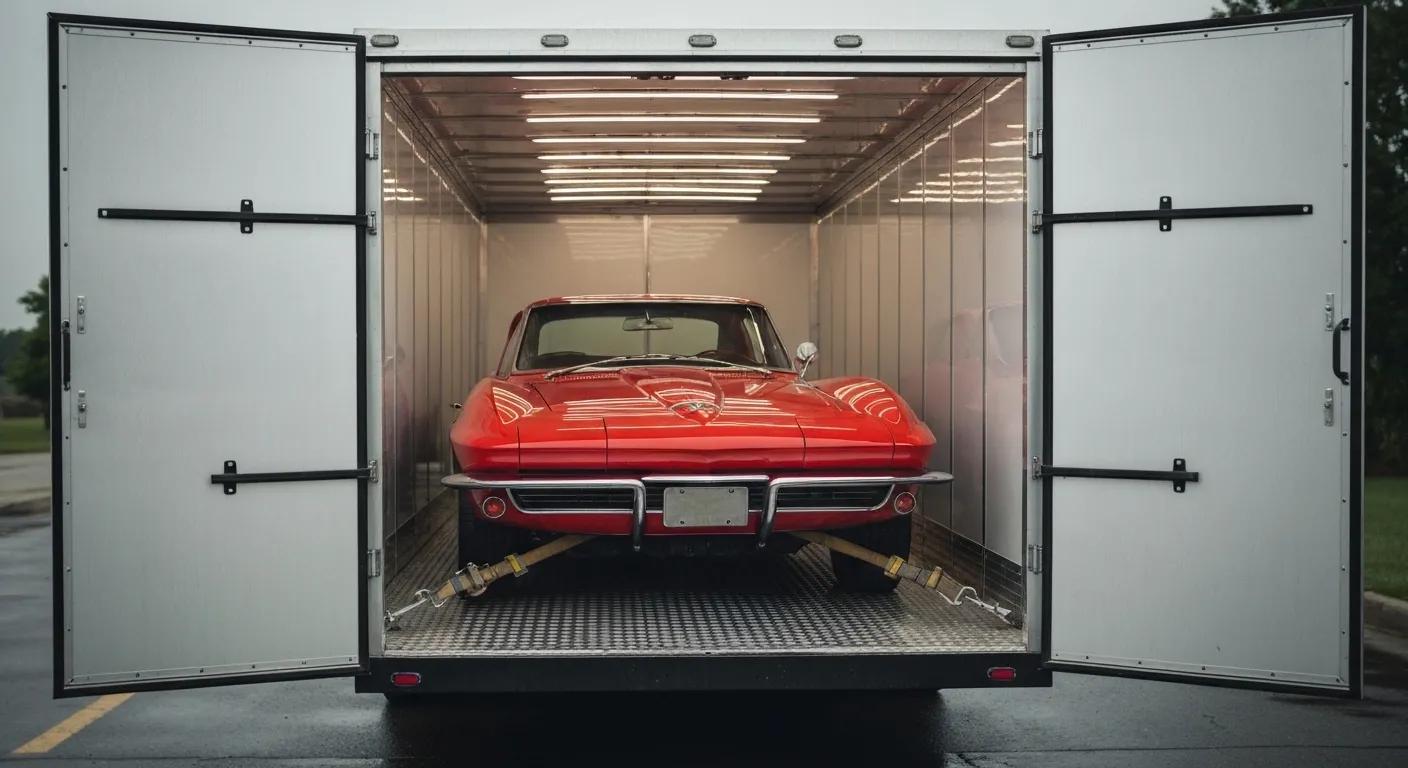
Enclosed flatbed trailers feature sealed, carpet-lined interiors that shield vintage finishes from rocks, salt spray, and UV exposure. Open flatbeds use aerodynamic wind deflectors and side shields to minimize damage from airborne debris, even on highways.
This environmental defense concludes the core transport benefits before we compare flatbeds to other methods.
How Does Flatbed Towing Compare to Traditional Towing for Classic Cars?
Flatbed towing stands apart from conventional methods by keeping all moving parts off the road and using purpose-built platforms, whereas wheel-lift and dolly towing can introduce stress points and wear. A direct comparison highlights these critical differences:
| Method | Ground Contact | Suspension Impact | Risk Profile |
|---|---|---|---|
| Flatbed Tow Truck | None | None | Very Low |
| Dolly Towing | Two wheels | Uneven load distribution | Moderate |
| Wheel-Lift | Two wheels | Frame twist and axle stress | High |
What Are the Risks of Wheel-Lift Towing for Vintage Vehicles?
Wheel-lift towing can stress driveline U-joints and seal housings, often pulling the vehicle at angles that can warp chassis rails. Corroded mounts may fail under such torque, leading to frame cracks or broken suspension brackets.
Risks of Wheel-Lift Towing
Wheel-lift towing can cause stress on driveline U-joints and seal housings, potentially warping chassis rails. Corroded mounts can fail under such torque, leading to frame cracks or broken suspension brackets.
How Does Flatbed Towing Differ from Dolly Towing?
Dolly towing lifts only one axle, leaving the other pair of tires and suspension exposed to wear and unpredictable steering drag. Flatbeds avoid this by lifting all wheels, eliminating rotational stress and preserving brake component integrity.
Once the limitations of partial lifts are clear, owners will understand why tow bars pose the greatest risk.
Why Should Classic Car Owners Avoid Tow Bars?
Tow bars attach to the bumper or frame and rely on the vehicle’s own steering and suspension to roll freely, risking steering box play, tire scuffing, and brake line stretching. Flatbeds bypass these complications by securing the entire chassis to a stable platform.
Understanding these comparative risks naturally leads into preparation guidelines for owners.
How Should Classic Car Owners Prepare Their Vehicles for Flatbed Towing?
Proper preparation makes loading easier and ensures damage-free transport. Follow this pre-towing checklist to ensure your classic is ready:
- Check chassis lift points for solid condition.
- Remove any loose accessories (mirrors, antennas, exterior trim).
- Verify tire pressure and battery charge levels.
- Document the vehicle’s condition with photos before transport.
- Disable alarm systems and ensure all windows are securely closed.
Completing these steps reduces the chance of loading errors and speeds up secure cradle placement, setting the stage for proper tie-down techniques.
What Is the Pre-Towing Checklist for Classic Cars?
Perform a visual inspection of lift points, confirm that soft-strap anchor areas are free from rust, and note any fluid leaks. Recording mileage and fluid levels provides a reference point in case of any transit issues.
This structured check ensures no detail is missed before your vehicle is secured on a flatbed deck.
How Should Classic Cars Be Secured on a Flatbed Tow Truck?
Use factory-approved lifting pads or wheel nets at each tire, pair them with ratchet straps protected by padding sleeves, and gradually tighten them to immobilize the chassis without over-stressing structural components.
Secure strapping completes the preparation phase and leads into important communication with your towing provider.
What Should Owners Communicate to Their Towing Service?
Inform the operator about any suspension modifications, adjustments for low clearance, and any delicate decorative elements. Share photos of attachment points and specify if an enclosed trailer is needed for extra protection from the elements.
Clear instructions ensure precise handling and help you choose the best towing company.
What Should You Look for When Choosing a Classic Car Flatbed Towing Service?
Selecting the right provider ensures expertise, reliability, and peace of mind. Key qualities to consider include:
- Certifications in collector-vehicle transport and specialized equipment training.
- Comprehensive insurance that covers agreed-value policies for vintage cars.
- A fleet of tilt-deck and enclosed trailers designed for low-clearance models.
- Transparent, fixed pricing and detailed service agreements.
These criteria help owners find services that prioritize preservation over speed, leading into the importance of local expertise.
What Qualities Define a Reputable Classic Car Towing Company?
Reputable services demonstrate proven experience with heritage vehicles, maintain a modern fleet of flatbed tow trucks in Homestead, and carry collector-car liability coverage. Licensed operators should be able to provide references or case studies of past vintage-car transports.
This assurance of competence naturally leads to the advantages of local support.
Why is Local Expertise Important for Classic Car Towing in Homestead?
Local providers are familiar with Homestead’s traffic patterns, weather conditions, and road quality, allowing for quicker response times and route planning that avoids potholes or construction zones that could harm low-clearance underbodies.
Local knowledge ensures both timely arrival and minimal transit risks, especially during busy roadwork seasons.
How Does 24/7 Availability Benefit Classic Car Owners?
Unexpected breakdowns can happen at any time; around-the-clock flatbed service means your vintage vehicle won’t be left in an unsafe location. Immediate dispatch reduces exposure to the elements and minimizes the risk of theft or vandalism.
Emergency readiness directly leads into practical discussions about costs and insurance.
What Are the Typical Costs and Insurance Considerations for Classic Car Flatbed Towing?
Flatbed towing rates for classic cars can vary based on distance, equipment type, and the vehicle’s value. Understanding what influences the cost helps owners get accurate quotes:
| Cost Factor | Impact on Price | Owner Consideration |
|---|---|---|
| Distance Traveled | Base fee plus a per-mile charge | Plan routes to minimize mileage |
| Equipment Type | Enclosed versus open deck | Enclosed trailers typically have higher hourly rates |
| Vehicle Value | Agreed-value insurance premium | Declare the accurate value for coverage |
| Specialty Handling | Low-clearance and custom cradles | Custom setups may incur additional fees |
What Factors Influence Flatbed Towing Costs for Classic Cars?
Long-distance transports, enclosed storage, and specialized ramps can increase labor time and equipment deployment costs. High demand during peak seasons for collector-car moves can also affect rates.
Identifying these variables helps owners negotiate fair pricing based on the scope of service.
How Does Classic Car Insurance Affect Towing Coverage?
Collector-car policies often specify approved towing methods—flatbed or enclosed only—to maintain full coverage. Policyholders should confirm that their insurer recognizes the use of a professional flatbed service as compliant with agreed-value terms.
Aligning towing methods with insurance requirements helps prevent coverage denial in the event of accidental damage.
Are There Special Insurance Policies for Classic Car Transport?
Some insurers offer transport endorsements or standalone transit policies that extend agreed-value protection during loading, transit, and unloading. These additional policies may include coverage for wreck removal and roadside assistance tailored for collector vehicles.
Specialized coverage provides the final piece of a secure transport plan before we address common owner questions.
What Are the Most Common Questions About Flatbed Towing for Classic Cars?
Classic car owners often ask about comparing towing methods, damage prevention techniques, and cost structures when planning a flatbed tow. The answers below reflect best practices and expert advice.
Is Flatbed Towing Better for Classic Cars Than Other Methods?
Yes, flatbed towing is definitely better for classic cars because it ensures zero ground contact, protecting sensitive suspension, drivetrain, and underbody components from stress and abrasion.
This direct approach leads to best practices for damage-free transport.
How Can You Transport a Classic Car Without Damage?
Transport a classic car without damage by choosing a professional flatbed tow service that uses soft-loop tie-downs, wheel cradles, and hydraulic tilt beds to lift and secure the vehicle evenly. Provide clear information about attachment points and request an enclosed carrier for maximum protection.
Understanding this process highlights the safest overall towing method.
What Is the Safest Way to Tow a Vintage Car?
The safest way to tow a vintage car is using an enclosed flatbed trailer equipped with shock-absorbing deck lining and multiple tie-down points, which eliminates exposure to environmental hazards and dynamic load shifts.
This premium approach complements cost and insurance considerations.
Can You Tow a Classic Car with a Tow Bar?
Tow bars are not recommended for classic cars because they rely on the vehicle’s steering and braking systems to roll without assistance, risking uncontrolled movement, steering damage, and wear on original brake components.
Avoiding tow bars helps protect critical steering and brake components.
How Much Does Flatbed Towing Cost for Classic Cars?
Flatbed towing costs typically range from $2 to $4 per mile for open decks and $3 to $6 per mile for enclosed carriers, plus a base dispatch fee. Specialized handling or long-distance hauls may incur additional labor surcharges.
Accurate quotes depend on distance, equipment choice, and vehicle valuation parameters.
How Does Towing Homestead Provide Specialized Flatbed Towing for Classic Cars?
Towing Homestead utilizes decades of local towing experience in Homestead, FL to offer dedicated flatbed services that prioritize the preservation of collector vehicles. Their fleet of hydraulic tilt-deck and enclosed trailers, along with trained operators, ensures customized handling for every vintage car.
What Expertise Do Towing Homestead Operators Have with Classic Cars?
Operators receive specialized training in heritage-vehicle handling, including the proper use of wheel nets, factory lift points, and chassis-friendly tie-down techniques. This expertise comes from collaborations with local classic car clubs and restoration shops.
Professional skill underpins every safe loading procedure and prepares vehicles for transport.
How Does Towing Homestead Ensure Damage-Free Classic Car Transport?
By using soft-loop straps, adjustable cradle blocks, and low-angle ramps, Towing Homestead minimizes contact stress and prevents body scrapes. Their enclosed trailer option further protects against road debris, weather, and UV exposure throughout the journey.
These measures deliver the damage-free experience every collector expects.
Why Choose Towing Homestead for Local Classic Car Flatbed Towing in Homestead, FL?
Choosing Towing Homestead – 24/7 Towing & Roadside Assistance in Homestead, FL guarantees prompt dispatch times, in-depth knowledge of local roads, and insurance-approved towing methods. Their dedication to collector care and round-the-clock availability offers unparalleled peace of mind.
Partnering with a regional leader completes your comprehensive classic car transport plan.
From meticulous damage-prevention methods to clear pricing and insurance coordination, flatbed towing is the definitive solution for classic car owners. By preparing your vehicle properly, selecting a certified provider, and utilizing Towing Homestead’s specialized expertise, you ensure damage-free transport that safeguards the value and heritage of your prized automobile. Contact Towing Homestead today to arrange your classic car’s next journey.