
Towing Safety Practices That Prevent Accidents
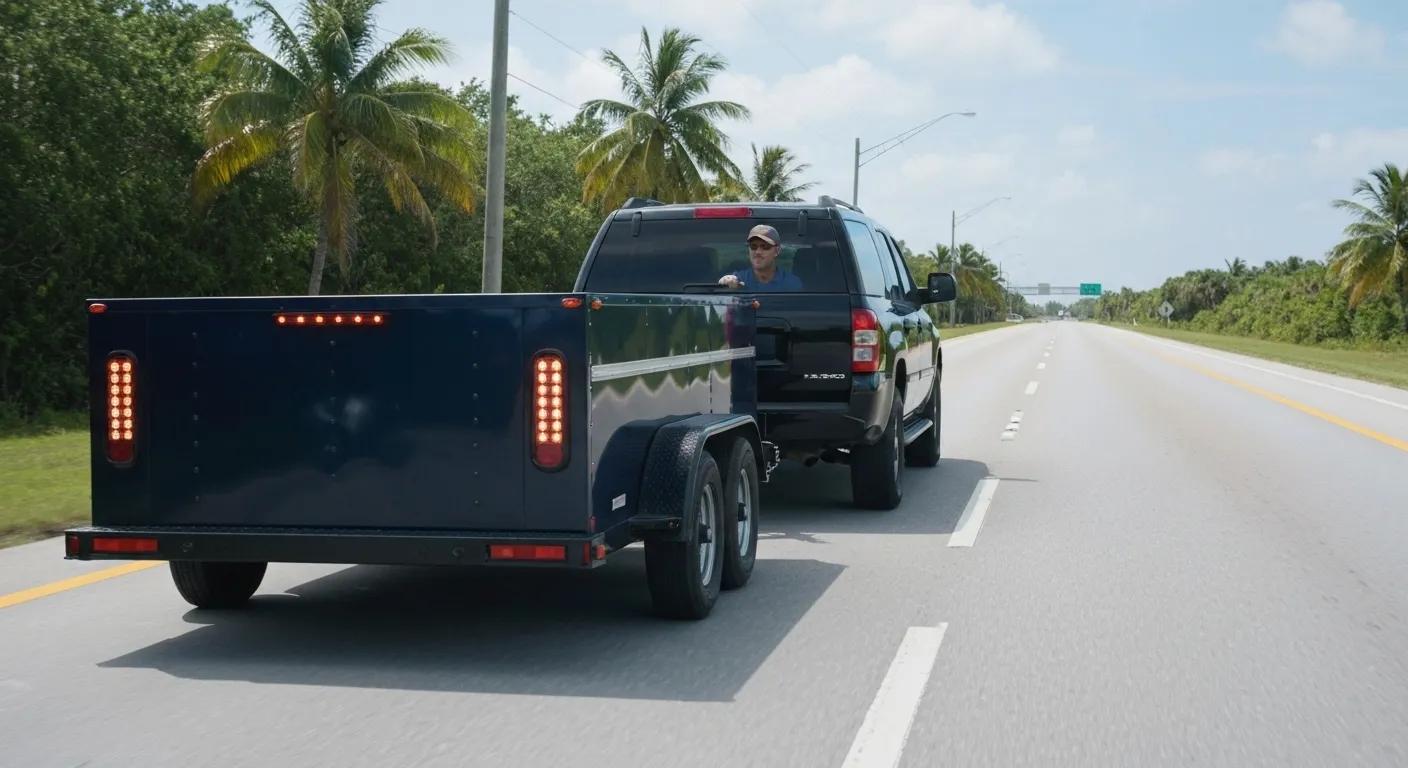
Mastering Towing Safety: Your Essential Guide for Accident Prevention in Homestead, FL
Each year, improper towing contributes to thousands of roadside incidents. However, by understanding and implementing proven safety practices, you can significantly reduce the risk of towing accidents. This guide will walk you through the most common causes of towing mishaps, how to conduct a thorough pre-towing inspection, essential safe driving techniques for trailers, crucial towing equipment, and what to do if an incident occurs. Whether you’re hauling a small utility trailer or a substantial flatbed, these expert strategies will keep you and your cargo secure on Homestead’s streets. For dependable assistance whenever you need it, count on Towing Homestead FL – Roadside Assistance – Flatbed Towing as your trusted local partner for safe vehicle transport.
What Are the Most Common Causes of Towing Accidents?
Towing accidents typically happen when control is lost between the tow vehicle and its load, often resulting in collisions or rollovers. Recognizing these primary causes is the first step toward preventing incidents and ensuring road safety.
- Trailer sway, often triggered by high speeds, strong crosswinds, or an improperly set up hitch.
- Incorrect weight distribution, which can shift the center of gravity and compromise stability.
- Brake system failures and tire problems, such as underinflation or worn tread on either the vehicle or trailer.
- Distracted driving, which delays crucial reaction times during unexpected events.
Trailer sway and imbalanced weight can easily lead to a serious loss of control on highways, so systematically addressing each of these factors is vital.
How Does Trailer Sway Lead to Towing Incidents?
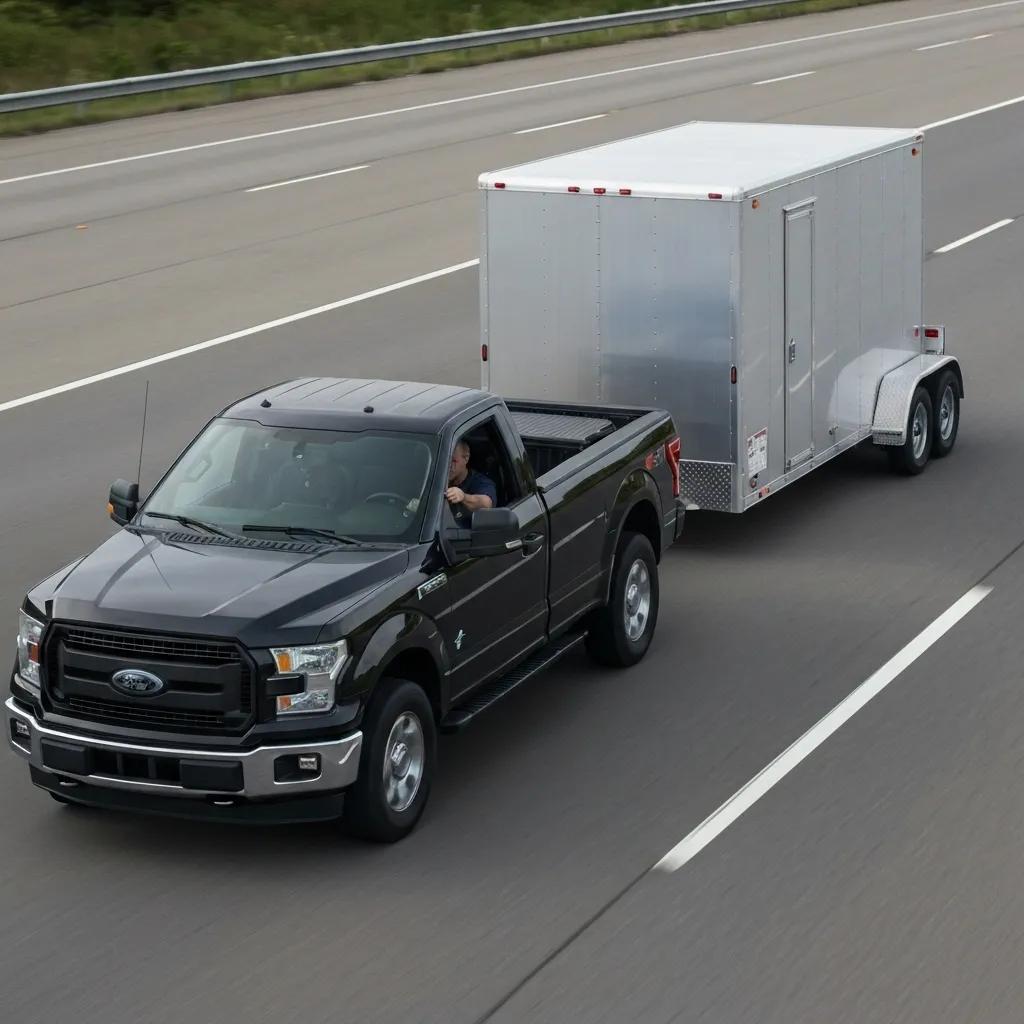
Trailer sway is that unsettling side-to-side rocking motion of a trailer that can overwhelm a driver’s ability to steer effectively. When the trailer’s momentum surpasses the tow vehicle’s grip at speed, the oscillation intensifies, increasing the risk of jackknifing or rolling over. Mastering sway prevention techniques is therefore key to maintaining highway stability and avoiding accidents.
Why Is Proper Weight Distribution Critical for Accident Prevention?
Proper weight distribution ensures that 10–15% of the trailer’s cargo weight rests on the hitch. This prevents both excessive tongue weight and the dangerous light-tongue oscillation. By balancing cargo from front to back and side to side, you maintain tire traction, reduce sway, and ensure responsive braking—all essential for safeguarding against common towing hazards.
How Do Brake Failures and Tire Issues Affect Towing Safety?
Brake failure on either the tow vehicle or the trailer significantly extends stopping distances. Similarly, uneven tire pressure or worn tread can lead to blowouts under load. Regular brake inspections and tire checks eliminate these mechanical risks, directly lowering the chance of collisions during emergency stops.
What Role Does Distracted Driving Play in Towing Accidents?
Distracted driving—whether it’s using a mobile device, fiddling with controls, or simply not paying attention to mirrors—slows down hazard recognition and response. Since towing increases required stopping distances and complicates maneuvering, maintaining complete focus is a vital defensive practice that prevents many road incidents.
How Do You Perform a Pre-Towing Safety Inspection?
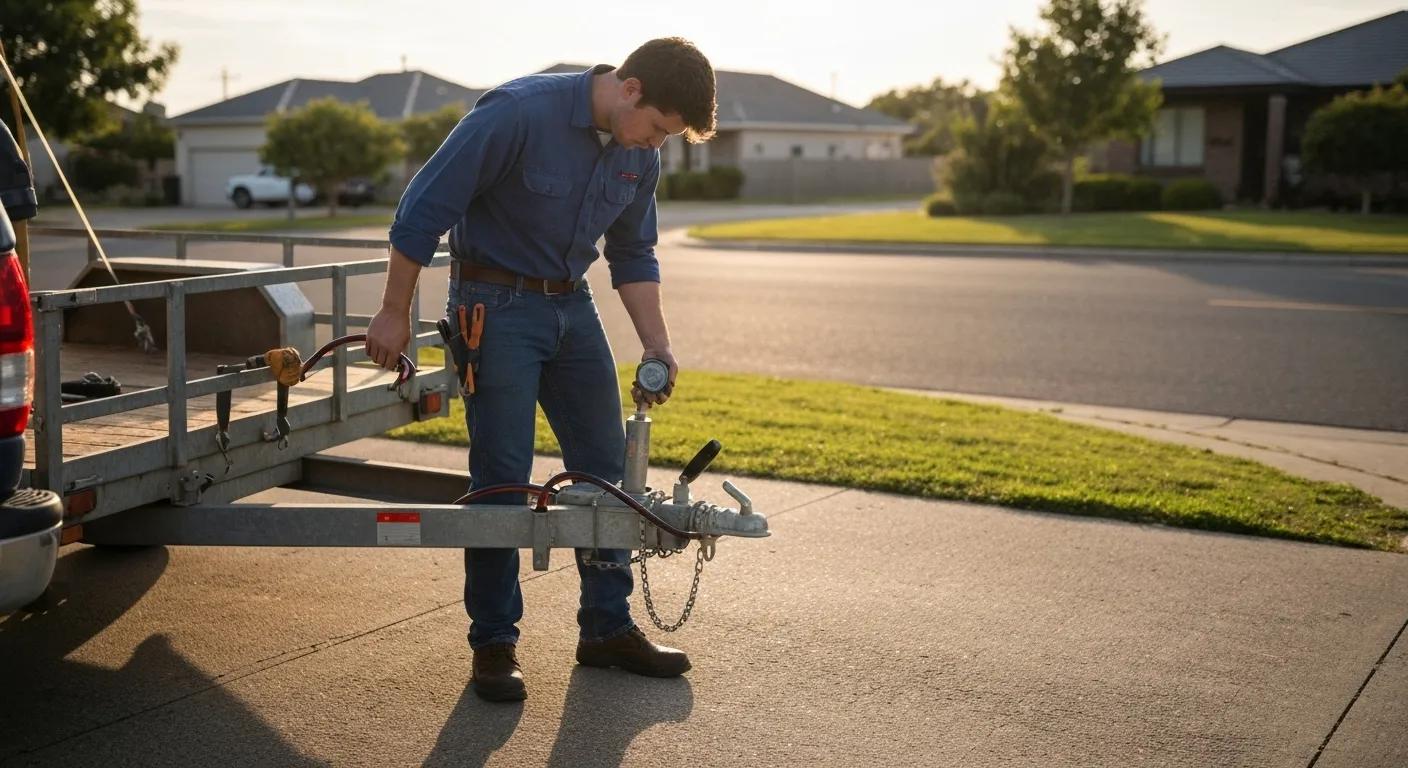
A pre-towing safety inspection is a methodical review of your entire towing setup to catch potential issues before you hit the road. Performing this procedure significantly reduces the likelihood of breakdowns by confirming that every critical component is in optimal working order.
What Should Be Included in a Vehicle and Trailer Inspection Checklist?
Before you even hitch up, thoroughly inspect the following systems:
- Engine fluids, belts, and battery connections to ensure reliable power.
- Trailer frame, springs, and suspension to confirm structural integrity under load.
- Electrical wiring, lights, and reflectors to guarantee visibility and communication.
- Coupling hardware, safety chains, and locking mechanisms to ensure a secure connection.
A comprehensive check of both your tow vehicle and trailer helps detect wear or damage early, setting the stage for a safe towing operation.
How Do You Check Hitch and Coupling for Safe Towing?
Confirm that the hitch ball size matches your trailer coupler, then lower the coupler and ensure it locks securely. Attach and cross the safety chains beneath the coupler so the trailer remains connected even if it detaches from the hitch. Lubricate all moving parts to prevent binding under stress.
Why Is Tire Pressure and Brake Function Testing Essential Before Towing?
Tires that are underinflated or overinflated can negatively impact handling and accelerate wear. Likewise, worn brake pads or low fluid levels will reduce stopping power. Using a tire pressure gauge and performing a brake pedal firmness test ensures that both traction and deceleration meet safety standards for your combined load.
How Can You Use a Towing Safety Checklist to Prevent Incidents?
Here’s a straightforward guide to turn your inspection into effective action:
| Task | Purpose | Outcome |
|---|---|---|
| Verify fluid levels | Confirm engine and transmission health | Reduced likelihood of breakdown |
| Inspect lighting system | Ensure turn signals and brakes communicate | Enhanced visibility for other drivers |
| Check hitch alignment | Guarantee secure coupling | Minimized risk of detachment |
| Test brakes in a safe area | Validate entire braking system | Reliable stopping capability |
Completing each item on your checklist before departing eliminates common oversights and builds the foundation for a trouble-free tow.
What Are the Best Driving Practices to Prevent Towing Accidents?
Safe towing driving involves a combination of speed management, proactive control, and defensive awareness to maintain stability and avoid collisions on every mile.
How Should You Manage Speed and Braking While Towing?
Reduce your highway speed by at least 10 mph below the posted limit, and allow at least double the normal stopping distance. When descending hills, downshift gradually to utilize engine braking and prevent your brakes from overheating.
What Are Effective Strategies to Prevent Trailer Sway on the Road?
| Technique | Mechanism | Safety Benefit |
|---|---|---|
| Maintain steady, moderate speed | Limits aerodynamic forces | Reduces lateral oscillation |
| Use an anti-sway hitch | Applies counterforce to trailer motion | Dampens side-to-side movement |
| Properly distribute load | Centers weight over axles | Prevents abrupt center-of-gravity shifts |
Implementing these tactics together helps keep sway in check and significantly enhances towing stability.
How Can Towing Mirrors and Visibility Enhancements Improve Safety?
Extended towing mirrors and rear-view camera systems broaden your field of vision, eliminating blind spots and allowing you to spot merging traffic or lane changes sooner. Clear sightlines reduce the need for sudden maneuvers that can destabilize the trailer and improve your overall awareness of the surroundings.
Why Is Defensive Driving Important When Towing?
Defensive driving means anticipating potential hazards—from erratic drivers to unexpected obstacles—so you can react smoothly and maintain control. Adopting this mindset preserves stability, reduces stress, and prevents the chain-reaction crashes that often follow abrupt towing incidents.
What Essential Equipment Helps Ensure Safe Towing?
Outfitting your rig with purpose-built accessories addresses mechanical, aerodynamic, and control challenges you might encounter on the road, directly boosting your safety margins.
How Do Anti-Sway Devices and Brake Controllers Improve Towing Safety?
Anti-sway devices stabilize the trailer by counteracting lateral movement, while electronic brake controllers synchronize the trailer’s braking with the tow vehicle’s. This ensures balanced deceleration and prevents jackknifing during emergency stops.
What Are the Benefits of Proper Cargo Securement and Weight Limits?
Securing cargo with appropriately rated straps and adhering to the trailer’s gross vehicle weight rating prevents load shifts that can compromise handling. Correctly applied restraints and compliance with capacity limits maintain an optimal center of gravity and protect the integrity of both the tow vehicle and trailer.
How Should Tow Straps, Chains, and Winches Be Used Safely?
Always select tow straps rated higher than the trailer’s loaded weight and anchor them to reinforced points. Chains should be free of rust and properly tensioned, and winches must be tested under load to prevent sudden cable failure. Consistent inspection of these tools preserves their strength and reliability.
What Should You Do in a Towing Emergency or Accident?
Even with meticulous preparation, incidents can happen. Having a clear, practiced emergency response plan can minimize damage, injuries, and downtime.
How Do You Respond Immediately After a Towing Accident?
- Safely maneuver your rig off the roadway and activate your hazard flashers.
- Place reflective triangles or flares at increasing distances behind your trailer.
- Check all occupants for injuries and provide basic first aid if necessary.
- Document the positions of the vehicles and any damage with photos before moving any equipment.
Securing the scene and gathering evidence helps ensure safety and speeds up any necessary insurance or legal processes.
When and How Should You Contact Professional Roadside Assistance in Homestead, FL?
If mechanical failure, trailer detachment, or severe road hazards leave you stranded, reach out to local experts without delay. Our team at Towing Homestead FL provides 24/7 flatbed service and rapid-response operators dedicated to safe, damage-free vehicle recovery throughout Homestead and surrounding areas.
What First Aid and Emergency Kit Essentials Should You Carry While Towing?
- A comprehensive first aid kit stocked with bandages, antiseptics, and trauma dressings.
- A fire extinguisher rated for vehicle fires and flammable liquids.
- Reflective triangles, high-visibility vests, and a sturdy flashlight.
- Basic hand tools, a tire repair kit, and a portable jump-starter.
Keeping these supplies on hand ensures you can address minor injuries and mechanical issues promptly while awaiting professional help.
Frequently Asked Questions about towing in Homestead, FL
Many drivers have questions about potential damage, legal requirements, and safety priorities when towing. Understanding these common queries can provide clarity and boost your confidence on every haul.
What is the most common damage from towing?
Frame stress and axle misalignment often result from uneven load distribution or an improper hitch height. Maintaining consistent tongue weight and verifying hitch alignment prevents structural strain and reduces costly chassis repairs.
What is the safest way to tow a car?
Using a flatbed tow truck ensures the towed vehicle’s wheels and drivetrain remain stationary, eliminating issues related to brake failure, tire wear, or transmission damage. This method offers maximum stability and protects both vehicles from road hazards.
What is most important for towing?
Ensuring that the hitch, load distribution, and braking systems are all correctly matched to the trailer’s weight is the single most critical factor. Balanced weight and synchronized braking deliver predictable handling and rapid emergency response.
Ready for Safe Towing or Immediate Assistance?
Don’t let towing concerns compromise your safety or your schedule. Our expert team in Homestead, FL, is equipped with the knowledge and resources to handle any towing situation with precision and care.
Safe towing is a blend of meticulous preparation, disciplined driving, reliable equipment, and swift emergency response. By adhering to these practices, Homestead drivers can significantly reduce the likelihood of accidents and protect their vehicles, cargo, and passengers. When you require expert roadside assistance or professional towing services in Homestead, our experienced team at Towing Homestead FL is ready to provide prompt, safe, and damage-free solutions. Trust in proven safety methods and local expertise to keep every journey secure.