
Towing Safety Tips Every Homestead Driver Should Know
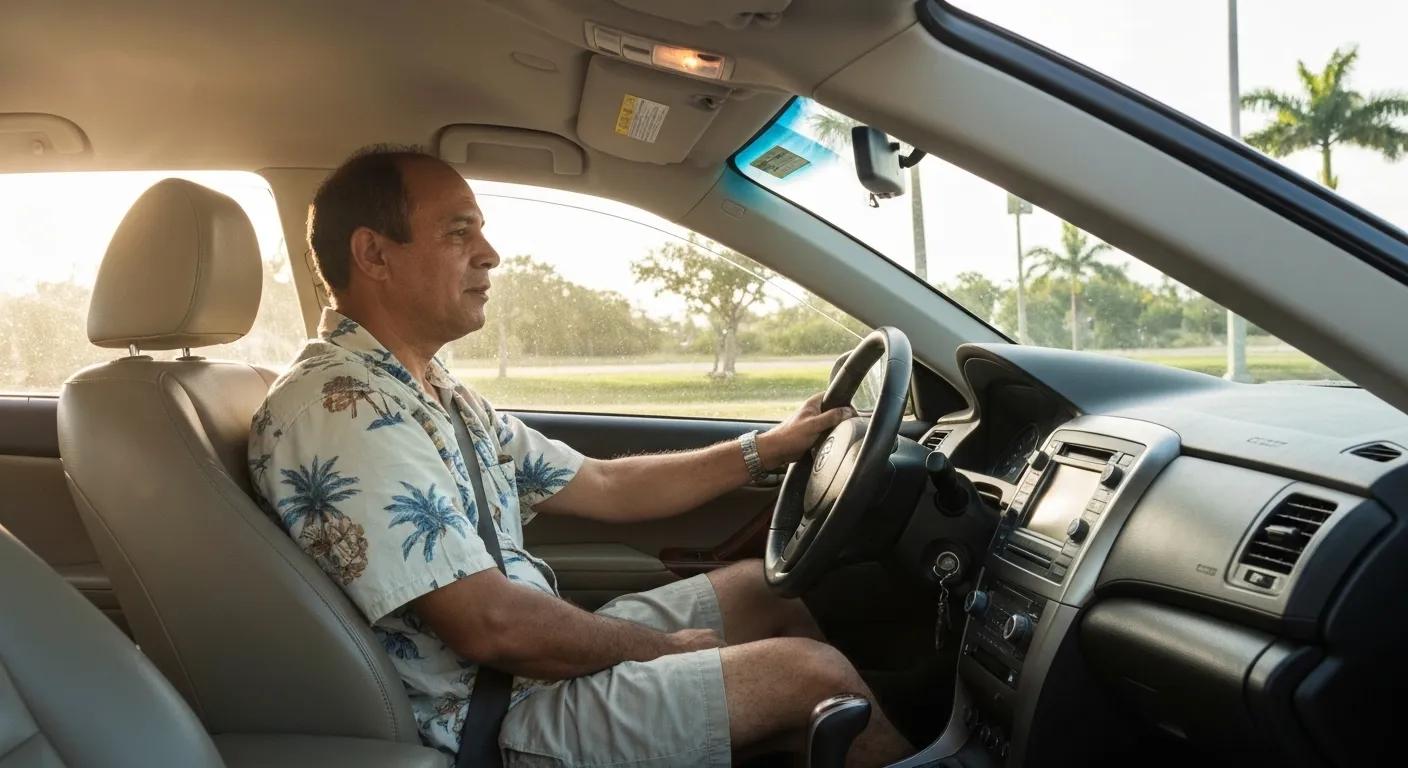
Towing Safety: Essential Tips for Every Homestead Driver
For drivers in Homestead, navigating busy highways and tight local roads with a trailer presents unique challenges. That’s why understanding towing safety is crucial to keep you and your cargo secure, and your equipment in good shape. This guide covers the essentials: knowing your vehicle’s limits, having the right gear, proper hitching techniques, managing weight, driving smart, understanding local rules, being ready for the unexpected, and knowing when to call the pros. Following these steps helps reduce wear and tear on your vehicle, keeps you in control on Miami-Dade roads, and ensures your belongings arrive safely. When you need expert help, Towing Homestead FL – Local Towing and Roadside Assistance is here 24/7 with reliable service.
What Are the Key Safety Practices for Towing in Homestead?
Safe towing in Homestead means combining thorough pre-trip checks, dependable equipment, and strict adherence to local traffic laws to keep your trailer steady on our diverse roadways. Starting with your vehicle’s specifications helps prevent overloading, while regular checks of electrical connections and brakes ensure everything is working perfectly. For instance, inspecting your safety chains and lights before you leave the driveway can prevent detachment and improve visibility at night, setting the stage for a secure hitch connection.
How Do You Figure Out Your Vehicle’s Towing Capacity in Homestead?
Knowing your vehicle’s towing capacity is vital; it tells you the maximum weight your car or truck can safely pull without straining the engine, brakes, or transmission. Your owner’s manual will list important figures like Gross Vehicle Weight Rating (GVWR) and Gross Combined Weight Rating (GCWR), which set clear limits for tongue weight and trailer weight. For example, a typical midsize SUV might have a 5,000-pound tow rating, while a heavy-duty pickup could handle over 12,000 pounds, guiding your load planning on Homestead’s roads.
Here’s a quick look at common vehicle types and their typical towing limits.
| Vehicle Type | Max Towing Capacity | Common Use |
|---|---|---|
| Compact SUV | 3,500 lbs | Smaller trailers, personal watercraft |
| Midsize SUV | 5,000 lbs | Light utility trailers |
| Full-Size Pickup | 12,000 lbs | Boats, larger campers |
| Heavy-Duty Truck | 18,000 lbs+ | Commercial equipment, large loads |
Checking these numbers ensures you select a trailer that’s within your vehicle’s capabilities, preventing mechanical stress that could affect safety chains or braking systems.
What Towing Gear Do You Need for Safe Travels in Florida?
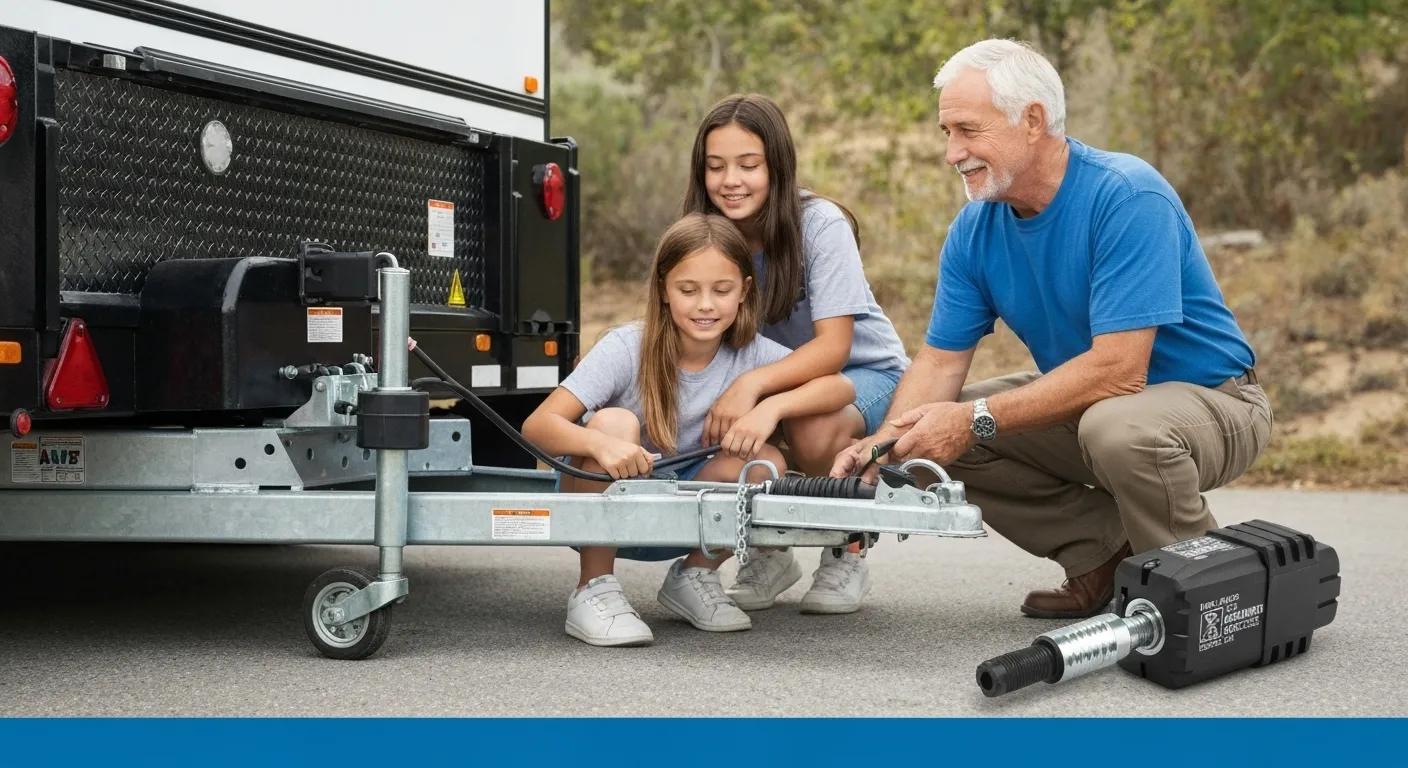
A dependable towing setup includes a properly rated hitch receiver, a weight distribution system if needed, sturdy safety chains with secure hooks, a functioning brake controller, extended side mirrors for better visibility, and emergency warning triangles. Each piece plays a role in maintaining control, reducing trailer sway, and improving your presence in traffic. For instance, safety chains act as a backup connection if the coupler fails, adding a crucial layer of stability before you even think about hitch alignment.
How Do You Properly Hitch and Connect Your Trailer?
Getting your hitch right starts with ensuring the ball size matches your trailer coupler, applying a bit of grease to the hitch ball, and confirming the coupler latch clicks securely over the ball. Next, connect your safety chains in a crisscross pattern beneath the trailer tongue, plug in the electrical harness to power your lights and brakes, and test your turn signals before you roll. These steps are key to preventing trailer separation, promoting balanced weight transfer, and ensuring your cargo is ready to go.
How Does Proper Weight Distribution and Cargo Securement Prevent Towing Accidents?
Distributing weight correctly and securing your cargo properly helps minimize trailer sway, prevents overloading your axles, and improves steering response on Homestead roads. Aim to place about 60 percent of the load forward of the trailer’s axle, with the rest distributed evenly side-to-side. This setup leads to more predictable handling. For example, keeping heavier items closer to the tongue helps stabilize the hitch and reduces the chance of fishtailing.
| Load Position | Recommended Ratio | Impact on Handling |
|---|---|---|
| Forward of Axle (Tongue Weight) | 60 percent | Better downward force on hitch |
| Centered Over Axle | 20 percent | Stable lateral balance |
| Rear of Axle | 20 percent | Less tendency for over-steer |
Keeping these ratios in mind and using ratchet straps to secure your load prevents items from shifting during acceleration, braking, or turns, which directly contributes to safer driving.
What’s the Science Behind Weight Distribution for Safe Towing?
Weight distribution systems use adjustable bars that connect the hitch receiver to the trailer frame. These bars help distribute the tongue weight across both the tow vehicle’s and the trailer’s axles. This process helps prevent the rear of the tow vehicle from sagging and maintains better steering control. When adjusted correctly, these systems also improve braking performance and reduce sway caused by uneven road surfaces.
How Do You Secure Cargo Properly to Avoid Dangers?
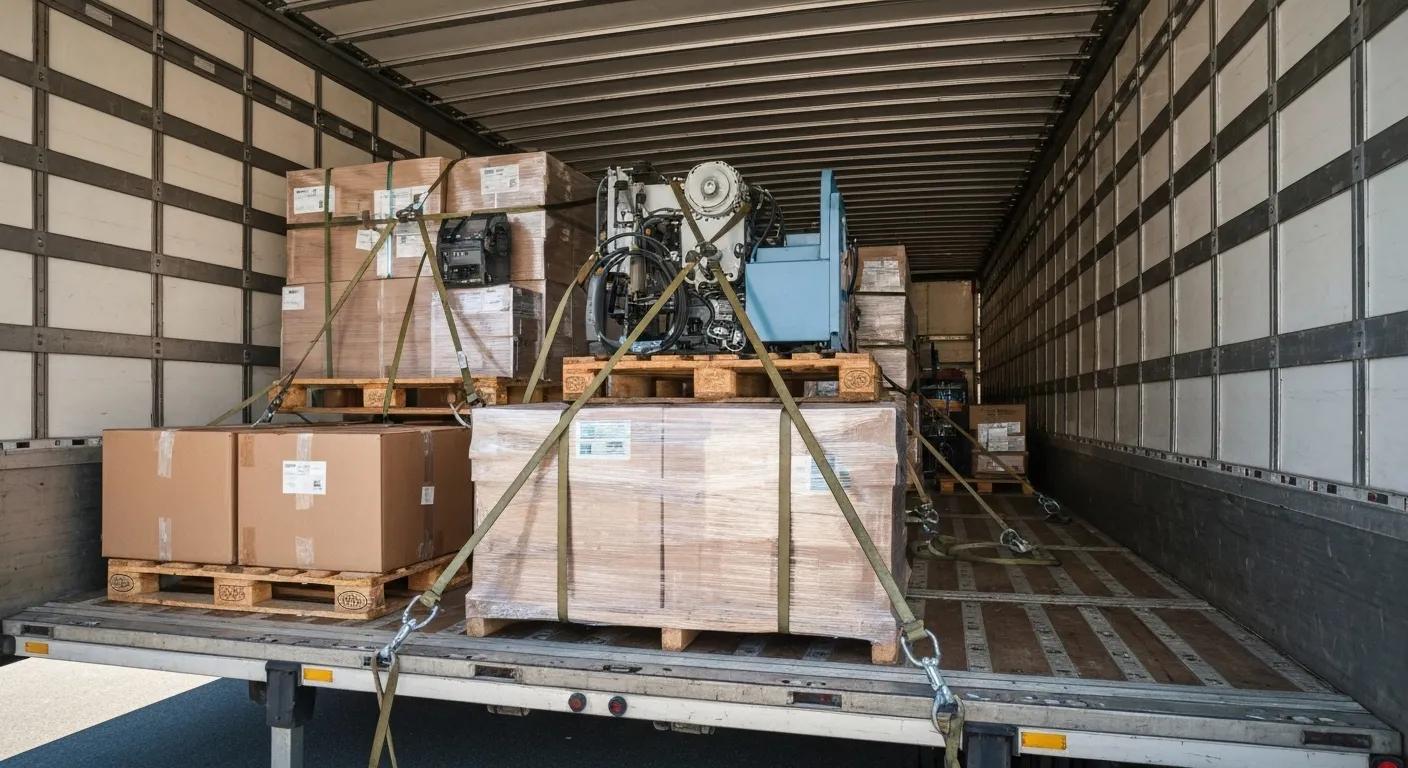
To secure your cargo effectively, use strong ratchet straps to anchor items to your trailer’s tie-down points. Cover loose materials with tarps to prevent them from blowing away, and always place heavier items low and toward the center of the trailer. Check strap tension before each trip and tighten them again after the first few miles to ensure nothing has shifted. This careful process prevents road hazards from loose items and maintains predictable handling when you brake.
What Are the Safe Driving Practices for Towing on Homestead Roads?
When towing in Homestead, safe driving means slowing down, taking wider turns, and increasing your following distance to account for the extra weight and momentum of your trailer. Anticipating stops and accelerating smoothly helps you maintain control on wet or winding roads, like those along Krome Avenue. Gentle steering inputs are also key to preventing sway. These habits build upon good weight distribution to ensure predictable performance in various conditions.
How Should You Adjust Your Speed and Following Distance When Towing?
Reducing your speed by 10–15 mph below the posted limit and increasing your following distance to at least eight seconds gives you more time to react when braking or avoiding obstacles. Slower speeds decrease kinetic energy, making it easier to correct minor sway or handle sudden stops. Maintaining this safety buffer benefits both your rig and other drivers on the road.
How Can You Manage Blind Spots and Improve Visibility While Towing?
Using extended towing mirrors that attach to your existing ones can significantly expand your view around the trailer. Regularly checking your mirrors before changing lanes helps you see approaching vehicles. Keeping your headlights and marker lights clean also improves visibility during early mornings or late evenings, especially near routes like the Homestead-Miami Speedway, making safe passing maneuvers easier.
What Florida Towing Laws Should Homestead Drivers Be Aware Of?
Florida law requires trailers under 3,000 pounds to use safety chains or cables, display red reflectors, and have functioning tail, stop, brake, and turn signals. For trailers over 3,000 pounds, a breakaway switch connected to a charged battery is mandatory to activate the trailer brakes if it detaches from the tow vehicle. Understanding these regulations helps you stay compliant and avoid roadside citations.
What Emergency Preparedness Steps Should Homestead Drivers Take for Roadside Safety?
Being prepared for emergencies means having a solid plan and the right tools to handle breakdowns without putting yourself or others at risk. Knowing how to secure your vehicle safely on the roadside is the first step toward a quick recovery and getting professional help with minimal disruption.
What Should You Do If Your Vehicle Breaks Down in Homestead?
First, carefully pull over to the shoulder or an emergency lane, turn on your hazard lights, and place reflective warning triangles at least 100 feet behind your vehicle. Then, exit the vehicle cautiously from the passenger side and call for assistance. These actions secure the area and alert oncoming drivers to your situation before you start troubleshooting or wait for help.
What Items Are Essential in a Roadside Emergency Kit for Homestead Drivers?
A well-equipped roadside kit should include a first-aid kit, a high-visibility vest, an LED flashlight with extra batteries, reflective triangles, a tire pressure gauge, a portable air compressor, jumper cables, a basic tool set, and bottled water. Keeping these items organized in a durable container ensures you can access them quickly, whether it’s during intense heat or unexpected rain, improving your overall readiness.
When Should You Call for Professional Towing and Roadside Assistance in Homestead?
Knowing when to call the professionals can prevent minor issues from becoming major problems or safety hazards. Complex mechanical failures, heavy loads, or accident recovery often require specialized equipment and expertise that go beyond typical driver capabilities.
How Do You Identify Situations Needing Professional Help?
Recognize these signs: if your driveline is stuck, you’re experiencing uncontrollable trailer sway, or you have damage to your axles or wheels, or if you’ve been in an accident. If your tow vehicle can’t safely restart under load or if there’s visible structural damage, it’s time to schedule professional service to avoid further issues and ensure a safe recovery.
Why Choose Towing Homestead for Your Emergency Towing and Roadside Needs?
Towing Homestead FL – Local Towing and Roadside Assistance offers 24/7 service throughout Miami-Dade County, with response times often under 30 minutes. Our fleet includes flatbed tow trucks and heavy-duty vehicles, and our roadside services cover everything from tire changes to fuel delivery, ensuring expert handling of any emergency. Trust local technicians who know Homestead’s roads, providing quick, dependable support when you need it most.
What Are the Common Causes of Towing Accidents and How Can You Prevent Them?
Towing accidents often happen because of overlooked equipment maintenance and driver mistakes that compromise stability. Worn hitches, loose chains, or incorrect loading can lead to trailer detachment, while sudden maneuvers can turn these issues into serious accidents.
How Do Equipment Failures and Improper Loading Cause Accidents?
Equipment problems like frayed safety cables, worn hitch locks, or underinflated tires increase the risk of the trailer separating or experiencing a blowout. Improper load distribution can unexpectedly shift the trailer’s momentum, leading to fishtailing or jackknifing. Regular inspections and following loading guidelines help prevent these mechanical failures from becoming dangerous.
What Driving Errors Increase the Risk of Towing Accidents?
Sudden braking, sharp steering adjustments, distracted driving, and ignoring speed limits designed for towing all raise the risk of accidents. Abrupt lane changes can initiate trailer sway, and using a phone while driving delays necessary corrective actions. Smooth acceleration, deliberate braking, and staying focused help maintain control and prevent sway from worsening.
Frequently Asked Questions for Homestead Drivers
Here are quick answers to common towing questions to help Homestead motorists without getting lost in technical details.
Is towing included in roadside assistance?
Many roadside assistance plans cover towing up to a certain distance, usually 5 to 10 miles, but the specifics can vary. It’s important to check your plan’s details to ensure you have enough coverage for local towing needs, and consider extra options for longer distances.
Can my car be towed without warning in Florida?
In Florida, towing from private property without clear signage and a 24-hour notice is generally prohibited, except in emergency situations on public roads. Be sure to understand local rules and check for posted signs before assuming your vehicle might be towed.
What is an unlawful tow?
An unlawful tow happens when a vehicle is hooked up and removed without the owner’s permission, proper licensing, or required notifications. You can dispute unauthorized charges by contacting local law enforcement and your state’s consumer protection agency.
By following these towing safety tips—from pre-trip checks to knowing when to call for professional help—Homestead drivers can stay in control, reduce the risk of accidents, and handle roadside emergencies effectively. For fast, dependable towing or roadside assistance, contact Towing Homestead anytime to ensure your vehicle and cargo are handled with expert care.